
Blanket flower
Gaillardia hybrids
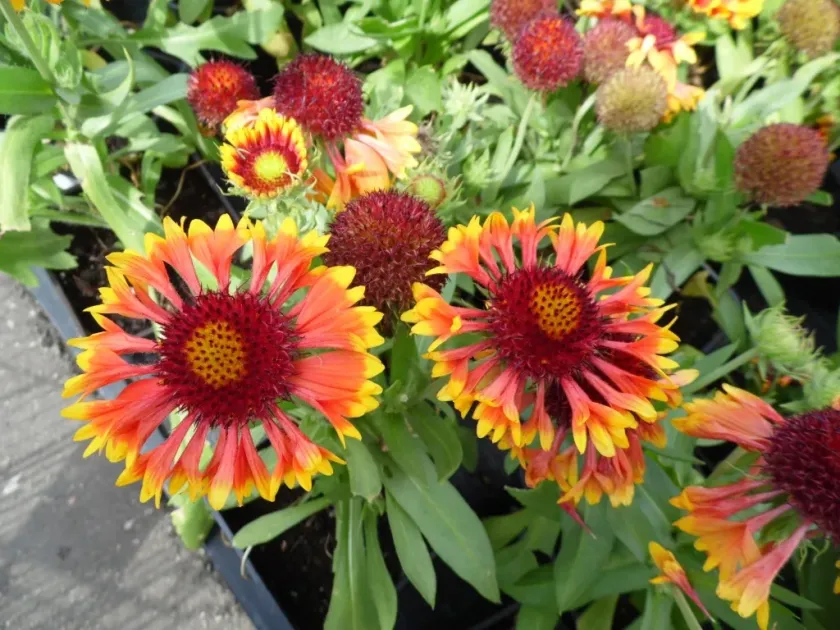
Description
Sowing dates
Gaillardia hybrids, belonging to the Asteraceae family, are widely cultivated perennial plants resulting from the hybridization of North American species. These plants are prized for their vibrant, multi-colored daisy-like blooms that add a warm palette to any landscape.
Propagation is typically done through seeds or root division. Starting seeds indoors in late winter ensures a robust root system before the planting season begins in late spring, allowing the plants to establish themselves in the garden effectively.
When sowing outdoors, it is essential to wait until the danger of frost has passed. Seeds should be placed in well-prepared, loose soil, spaced about 30 to 40 centimeters apart to accommodate the vigorous growth habit of the plant.
Young seedlings require consistent moisture to germinate, but once established, they become remarkably resilient to dry conditions. Lightly pinching back the tips of young shoots encourages bushier growth and significantly increases the number of flower heads.
Proper spacing is crucial to ensure good airflow throughout the plant canopy. A well-maintained garden bed with sufficient room between specimens helps to prevent the microclimate conditions that favor fungal diseases.
Growing requirements
Gaillardia hybrids thrive in full sun and are highly intolerant of shade. Exposure to direct sunlight for at least 6 to 8 hours daily is required to maintain the plant's structural integrity and ensure continuous blooming throughout the season.
The ideal soil for this species is sandy or loamy, characterized by excellent drainage. They struggle in heavy, waterlogged clay soils, which often lead to crown rot, so amending the soil with grit or compost is recommended in heavier areas.
While the blanket flower is famous for its drought tolerance, it does respond positively to moderate watering during peak summer heat. However, it is imperative to avoid excessive irrigation that keeps the roots constantly wet.
Fertilization should be handled with caution. High-nitrogen fertilizers are detrimental as they promote excessive foliage at the expense of floral production. A balanced, low-concentration liquid fertilizer applied sparingly is usually sufficient.
Winter care is generally minimal in temperate climates, though mulching is advisable in regions with severe frost. Providing a protective layer helps insulate the roots and ensures successful regeneration in the following spring.
Main diseases and pests
Fungal issues are the most significant threat, particularly powdery mildew and gray mold, which emerge in humid or poorly ventilated conditions. Keeping the foliage dry during irrigation is a simple yet effective preventative measure.
Leaf spots and rust can also occur if humidity remains high for extended periods. If infection appears, removing the affected leaves and applying suitable systemic fungicides will help stabilize the health of the plant.
Aphids are the primary insect pests affecting Gaillardia. They cluster on tender buds and shoot tips, causing stunted growth and distorted flowers. Regular monitoring and, if necessary, the use of insecticidal soap are recommended.
Other occasional pests include whiteflies and certain types of beetles that feed on the leaves. Integrated pest management strategies, such as encouraging beneficial garden insects, can help keep these populations at manageable levels.
Ultimately, Gaillardia is a low-maintenance plant that remains healthy when given ample sunlight and proper soil drainage. Most problems associated with this crop are easily managed through sound horticultural practices.