
Crepidiastrum denticulatum
Crepidiastrum denticulatum (Houtt.) Pak & Kawano
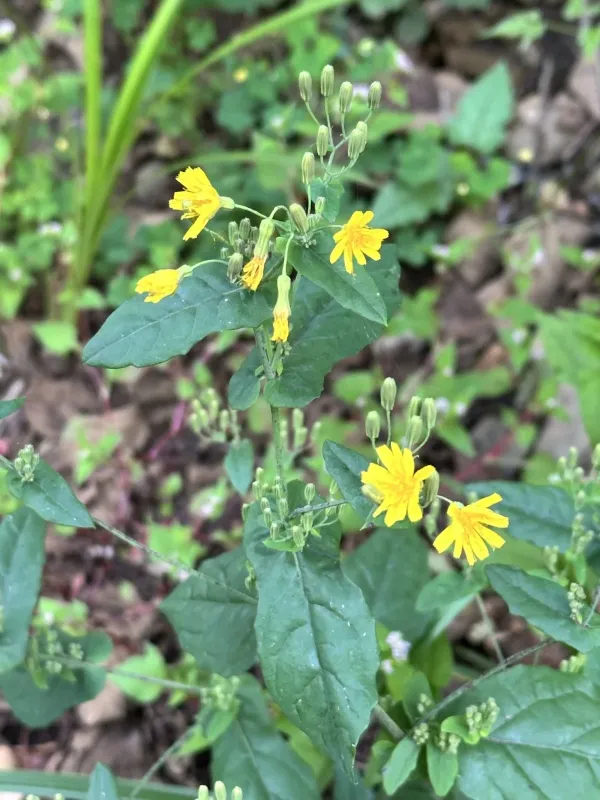
Description
Sowing dates
Crepidiastrum denticulatum, a member of the Asteraceae family, is an increasingly popular leafy green. Its seeds have good germination rates, making it suitable for direct sowing in well-prepared garden soil.
The ideal time for planting is early spring, once the soil has warmed to at least 12–15 degrees Celsius. This ensures robust early growth and helps the plants establish their root systems before the summer heat.
Seeds should be sown at a shallow depth of about 0.5–1 centimeter. Consistent moisture is crucial during the germination phase to ensure a uniform stand of seedlings.
In intensive cultivation systems, staggered sowing every two to three weeks is recommended. This practice ensures a continuous supply of fresh, tender leaves throughout the growing season.
While direct sowing is common, starting seeds in trays is also effective, especially for early season production in greenhouses, allowing for better control over early plant development.
Growing requirements
This crop thrives in sunny locations with fertile, well-drained soil rich in organic matter. Avoid heavy, waterlogged soils as they can hinder root development and promote diseases.
A neutral soil pH, ranging between 6.0 and 7.0, is ideal for optimal nutrient uptake. On acidic soils, applying lime before planting is recommended to improve growth conditions.
Regular irrigation is essential to maintain high quality. Soil moisture levels should be kept stable to prevent the leaves from becoming bitter or excessively tough, which often happens under drought stress.
While the plant prefers moderate temperatures, it can tolerate some fluctuations. However, prolonged exposure to high heat may trigger early flowering, significantly reducing the yield of edible leaves.
Routine weeding and light cultivation between rows are necessary to minimize competition for nutrients and water, which ultimately leads to better plant vigor and leaf quality.
Yield
The yield of Crepidiastrum denticulatum is largely dependent on soil fertility and irrigation management. With optimal conditions, the crop can be quite productive.
Average yields can reach 2–3 kilograms of marketable greens per square meter per cycle. The precise amount depends on planting density and the duration of the harvest period.
Selective harvesting—removing only the outer leaves—is a common technique that encourages the plant to continue producing fresh growth, thereby increasing total output.
Balanced fertilization during the early stages of plant growth helps boost biomass production. It is important to avoid excessive nitrogen to maintain plant health and nutritional quality.
Good agricultural practices, such as proper spacing and consistent water management, are the primary factors in ensuring a high-quality yield for both market sale and personal consumption.
Main diseases and pests
Sucking insects, particularly aphids, are the most frequent pests. They feed on young leaves, which can stunt growth and transmit viral diseases if not managed quickly.
Fungal issues, such as downy mildew, can occur in damp, stagnant air environments. Good air circulation is the best preventive measure against these pathogens.
Adhering to strict crop rotation practices is essential. Avoid planting this species in areas where other Asteraceae crops were recently grown to minimize soil-borne infection risks.
Since the leaves are consumed raw, it is recommended to use integrated pest management or biological controls rather than harsh chemical pesticides.
Maintaining a clean growing area by removing crop debris and weeds helps minimize the habitat for pests and pathogens that could threaten the health of the plants.
Harvesting
Harvesting usually begins 30 to 50 days after sowing, depending on the growing environment. The goal is to collect leaves that are fully developed but still tender and succulent.
The best time to harvest is early morning, when the plant is fully hydrated and the leaves have the best texture. This also helps in extending the shelf life of the gathered greens.
When harvesting, use a clean knife to trim the leaves, ensuring the heart of the plant remains undamaged if repeated harvests are desired throughout the season.
After collection, the leaves should be cooled immediately to prevent wilting. Proper post-harvest handling is critical to maintaining the freshness and nutritional value of the product.
If kept in a refrigerator at 2–4 degrees Celsius, the harvested leaves can maintain good quality for several days, provided they are stored in a ventilated container.