
Centratherum punctatum
Centratherum punctatum Cass.
Description
Sowing dates
Seeds of Centratherum punctatum should be started indoors in early spring, approximately 6–8 weeks before the last frost date. They require a warm germination environment, typically around 20–22 degrees Celsius.
When sowing, cover the seeds very lightly with the growing medium, as they need light to trigger the germination process successfully. Consistent moisture must be maintained until the seedlings emerge.
After the second pair of true leaves develops, transplant the seedlings into individual pots. This practice encourages a more robust root system before the plants are transitioned to outdoor conditions.
Outdoor transplanting should only occur once the weather is consistently warm and the risk of frost has completely passed, as the plant is highly sensitive to cold stress in its early stages.
Space the plants about 30–40 centimeters apart to ensure adequate air circulation. This spacing is vital for preventing the micro-climate issues that often lead to fungal growth in dense plantings.
Growing requirements
The plant thrives in full sun, which is essential for maximizing both its ornamental beauty and the accumulation of essential oils. Partial shade can lead to leggy growth and diminished flowering.
Well-drained, fertile soil is a strict requirement for successful cultivation. The plant is prone to root rot if the soil remains waterlogged, so ensure the site has excellent drainage properties.
Watering should be moderate, allowing the top layer of soil to dry out between sessions. While the plant can tolerate short periods of dryness once established, consistent moisture is preferred during the peak growth phase.
Regular fertilization with balanced nutrients is recommended during the growing season. A nitrogen-phosphorus-potassium mix supports healthy vegetative growth and abundant flower production.
Given its tropical origins, the plant performs best in warm, humid climates. In cooler regions, it is frequently managed as an annual crop due to its lack of frost tolerance.
Yield
The economic yield of the crop is based on the harvest of aerial parts or flowers, which are valued for their pharmaceutical and cosmetic applications. Optimal light and nutrition are key to high yields.
Harvesting should occur at the peak of the flowering phase, when the concentration of secondary metabolites is at its highest point, ensuring maximum quality for end-use processing.
After cutting, the biomass must be dried immediately in a shaded, well-ventilated area. This prevents the degradation of delicate volatile compounds responsible for the plant's medicinal profile.
To maximize production, gardeners often deadhead the spent flowers, which prevents energy redirection toward seed production and encourages continuous blooming throughout the season.
Under professional management, multiple harvests can be achieved within a single season if the growing conditions remain stable and the plant is maintained correctly.
Main diseases and pests
Root rot is the primary threat to the crop, usually occurring as a result of poor soil drainage or excessive watering. Maintaining proper moisture control is the best preventative measure.
Spider mites are common pests in greenhouse or enclosed environments, particularly where air humidity is low. Monitoring the underside of leaves for early signs of infestation is crucial.
Powdery mildew may develop if plants are spaced too closely or if air circulation is insufficient. Sulfur-based fungicides or bio-fungicides are effective treatments for managing this issue.
Aphids can target new shoots and flower buds, weakening the plant. Integrated pest management, including the use of neem oil or insecticidal soaps, is usually sufficient to handle minor outbreaks.
- Ensure proper soil drainage
- Provide adequate plant spacing
- Perform regular health inspections
- Remove diseased plant debris immediately
- Apply preventative organic treatments
Harvesting
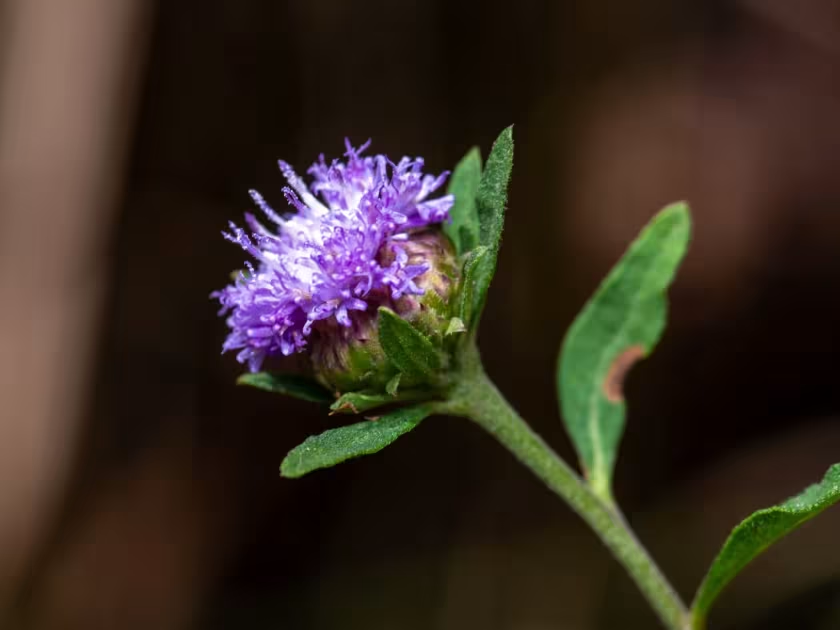
Harvesting begins when the flower heads reach their full, vibrant purple color. It is best to harvest on a dry day, after morning dew has evaporated, to prevent mold development during storage.
Use clean, sharp shears to cut the stems, taking care not to damage the plant base or the root crown. Precision harvesting ensures the plant remains healthy for potential future growth cycles.
If harvesting for seeds, allow the flowers to mature and turn brown on the plant before cutting. Place the cut heads in paper bags to capture seeds as they release naturally during the drying process.
Maintaining cleanliness during the harvest is paramount to the value of the raw material. Avoiding soil or debris contamination will lead to a higher quality, more marketable crop.
Proper storage in cool, dark, and dry conditions will preserve the potency of the harvested material, which is critical for maintaining the high standards required for medicinal use.