
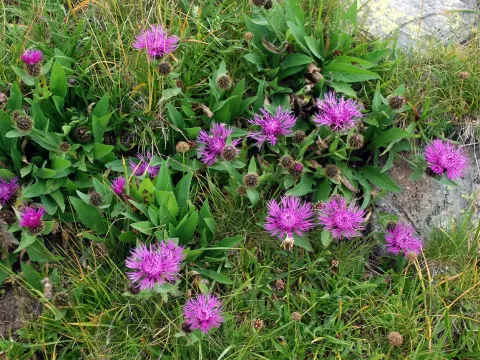
Kerner's Cornflower
Centaurea kerneriana
Kerner's Cornflower is a perennial herbaceous plant, with sowing typically taking place in the spring once the soil temperature reaches a stable 10-12 degrees Celsius.
What the section contains
Kerner's Cornflower
To ensure uniform emergence, cold stratification of the seeds is highly recommended as it significantly increases the germination rate under field conditions.
The seeding depth should be limited to 1-2 centimeters because small seeds possess a limited supply of nutrients for emergence from deeper soil layers.
An optimal planting layout involves maintaining row spacing of 45-60 centimeters, providing sufficient space for the root system and biomass development.
In regions with mild climates, late autumn sowing is possible, which facilitates the natural hardening process of the seeds during the winter months.
This crop is a light-demanding plant, requiring open and well-lit areas without shading to achieve full vegetative growth and prolific flowering.
Kerner's Cornflower prefers light, well-drained soils with a neutral to slightly alkaline pH, which is crucial to prevent waterlogging around the root zone.
The plant exhibits high drought tolerance and can withstand temporary rainfall deficits due to its deep, vigorous taproot system.
Excessive soil moisture is detrimental, meaning heavy clay soils must be amended with sand or other drainage-improving materials before planting.
While the plant adapts well to temperature fluctuations, moderate warmth is necessary for sustained development during the peak growing season.
Fungal diseases are the primary biological threat to cornflower stands, particularly when humidity levels are mismanaged or field ventilation is poor.
Powdery mildew represents a significant risk, appearing as a white fungal layer on the leaves, which hinders the plant's photosynthetic capacity.
Pests such as aphids and spider mites can cause substantial damage during dry spells by draining vital sap from young shoots and flower stalks.
Effective disease prevention relies on strict crop rotation practices and the prompt removal of plant debris that may harbor pathogens.
If initial infestations of pests are detected, the application of systematic biological or chemical insecticides should be performed according to established protocols.