
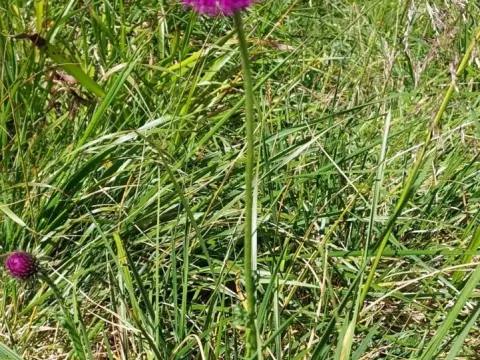
Kerner's thistle
Carduus kerneri
Kerner's thistle (Carduus kerneri) is a biennial herbaceous plant belonging to the Asteraceae family. It is recognized for its unique adaptation to steppe habitats and mountainous slopes, where it occupies distinct ecological niches within its native European range.
What the section contains
Kerner's thistle
The species thrives in well-drained, lime-rich, or stony soils that offer excellent aeration. It is notably intolerant of waterlogging and prefers environments where moisture levels are moderate, allowing the root system to penetrate deep into the substrate.
Climate requirements for this plant focus on high light intensity and distinct seasonal changes. It is particularly drought-tolerant, exhibiting morphological traits such as leaf pubescence and a robust taproot that facilitate water retention and survival during hot, dry spells.
In agricultural settings, managing the presence of Kerner's thistle requires a consistent approach to soil tillage. Mechanical interventions focusing on the rosette stage in the first year of growth are highly effective at limiting its expansion across cultivated fields.
Ecological management involves maintaining soil nutrient balance, as this thistle often appears in nitrogen-depleted areas where competition from more vigorous grass species is limited. Providing adequate ground cover can naturally suppress its establishment.
Fungal diseases, such as rust and powdery mildew, represent significant biological threats to Carduus kerneri. High humidity levels often trigger outbreaks that weaken the plant's structural integrity and inhibit its ability to reach maturity.
Insect pests, including various beetle species, focus their feeding activity on the stem and flower heads. These pests can severely restrict the plant's reproductive output, often leading to stunted growth or complete seed failure.
Aphid infestations are common during the active growth phase, as these insects exploit the plant's vascular sap. Heavy colonization by aphids not only depletes the plant's energy reserves but also introduces potential secondary viral pathogens.
Small mammals, particularly rodents, can impact the population by feeding on the taproots during dormant winter periods. Such damage often leads to the death of the biennial plant before it can complete its second-year flowering cycle.
Mitigation strategies against these threats typically prioritize cultural practices, including regular field monitoring and the removal of host plants that might harbor pests or diseases near the primary cultivation areas.