
Blainvillea acmella
Blainvillea acmella (L.) Philipson
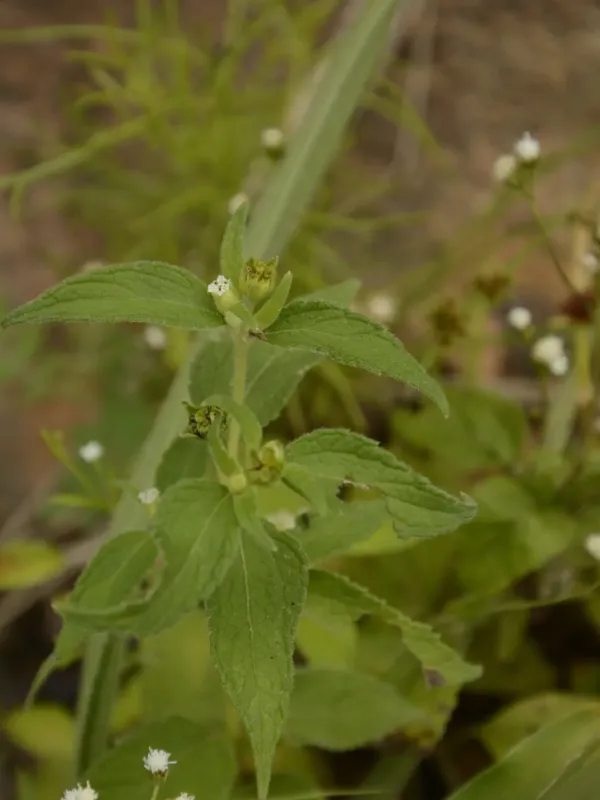
Description
Sowing dates
Blainvillea acmella is a warm-season annual plant belonging to the Asteraceae family. Successful germination requires soil temperatures maintained between 20°C and 25°C, making it essential to wait for stable spring weather.
For regions with shorter growing seasons, starting seeds indoors in nursery trays is recommended. Seedlings should be transplanted into the open field once they reach the 4-leaf stage and the risk of frost has passed.
When sowing directly into the ground, seeds should be placed at a depth of 0.5 to 1 cm. Soil moisture must be consistent during the germination phase to ensure a uniform plant stand across the field.
Optimal plant spacing is crucial for canopy development. A distance of 25–30 cm between plants allows for sufficient air circulation, which helps in preventing fungal issues during the humid summer months.
Sequential sowing can be performed every 3 weeks to extend the harvest period. This technique is particularly useful for commercial operations focused on supplying fresh biomass throughout the peak season.
Growing requirements
This crop thrives in well-draining, fertile loamy soils. It is highly sensitive to waterlogging, so fields with poor drainage should be amended with organic matter or raised beds to prevent root rot.
Full sun exposure is required for the plant to achieve its potential in terms of biomass and active compound concentration. Partial shade will lead to etiolated stems and significantly lower harvest quality.
The soil pH should ideally remain between 6.0 and 7.0. Routine soil testing is advised to determine if liming or acidification is necessary before planting the crop to ensure optimal nutrient availability.
Water requirements are highest during the vegetative growth stage. Drip irrigation systems are preferred as they minimize water waste and reduce the risk of foliage diseases caused by overhead watering.
Nitrogen and phosphorus fertilization should be applied based on soil test results. Excessive nitrogen can lead to rapid, weak growth, making the plants more susceptible to lodging and pest infestations.
Main diseases and pests
The most common disease threats include powdery mildew and damping-off, especially in areas with poor ventilation or high relative humidity. Maintaining clean, weed-free rows is a vital preventive measure.
Aphids and spider mites are the primary insect pests affecting the crop. Regular monitoring of the underside of leaves is necessary to catch infestations early before they become economically damaging.
Crop rotation is mandatory to reduce the buildup of soil-borne pathogens. Avoid planting Blainvillea in fields previously occupied by other Asteraceae species for at least two consecutive seasons.
Integrated Pest Management (IPM) practices, including the use of beneficial insects like ladybugs, can effectively keep aphid populations under control without relying solely on chemical treatments.
In cases of severe outbreaks, selective bio-insecticides are recommended. Always ensure that the chosen products are registered for use on the specific crop to maintain compliance with safety standards.
Harvesting
Harvesting should be timed to coincide with the early flowering stage. This is when the plant reaches its peak concentration of secondary metabolites, ensuring high-quality yields for industrial use.
Mechanical harvesting is possible for large-scale operations, provided the equipment is calibrated to cut at the correct height. For smaller plots, hand-harvesting ensures less damage to the biomass.
Post-harvest handling is critical for quality control. Biomass should be transported quickly to a shaded, dry area to prevent fermentation and the loss of essential volatile oils due to heat exposure.
Drying should take place in a well-ventilated structure away from direct sunlight. Temperature control between 35°C and 40°C is ideal to maintain the structural integrity and chemical profile of the plant.
Once dried, the product should be packed in airtight, moisture-proof containers. Proper storage conditions are essential to prevent mold growth and the degradation of active compounds during the shelf-life period.