
Baccharoides guineensis
Baccharoides guineensis
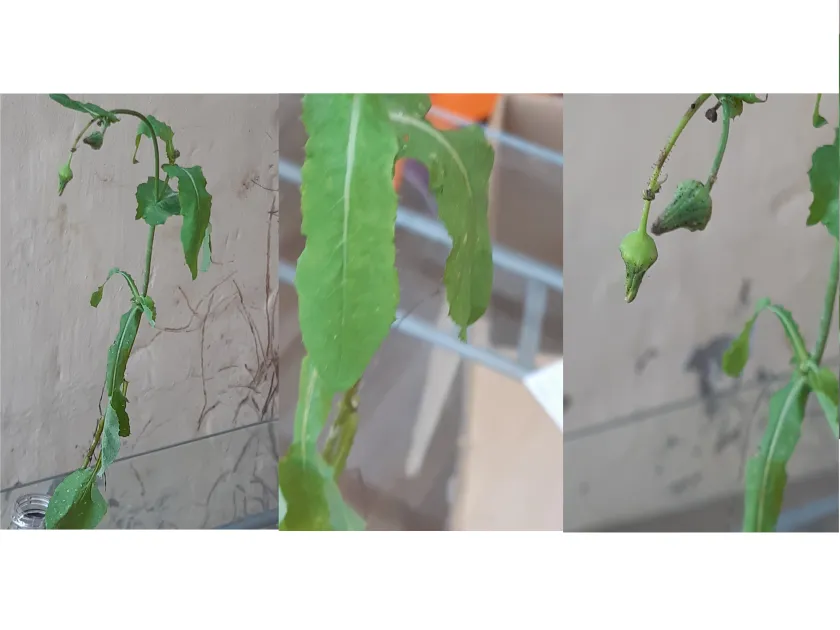
Description
Sowing dates
Baccharoides guineensis is a perennial herbaceous plant belonging to the Asteraceae family. It is widely recognized for its adaptation to tropical environments and plays a role in traditional local systems.
Sowing usually begins with the onset of the rainy season to ensure optimal soil moisture levels. The ideal temperature range for seed germination is between 22 and 26 degrees Celsius.
Before sowing, seeds should be treated and cleared of debris to ensure uniform germination. Planting is typically done in loose, organic-rich soil at a depth of approximately 1 centimeter.
Seedlings are quite delicate and require moderate shade during their early development to prevent scorching. Providing adequate moisture during the initial weeks is critical for strong establishment.
As the plants mature, spacing should be adjusted to ensure good air circulation, which helps in preventing fungal diseases in high-humidity climates.
Growing requirements
This crop thrives in well-drained loamy or sandy soils with a neutral or slightly acidic pH. Waterlogging must be avoided, as it can lead to root rot and poor plant growth.
Baccharoides guineensis prefers full sunlight, although it can tolerate partial shade during intense heat waves. Regular, consistent watering is necessary during the active vegetative growth phase.
Organic fertilizers, such as well-decomposed compost, are recommended to boost productivity. Excessive nitrogen should be avoided to prevent over-development of foliage at the expense of floral parts.
The plant demonstrates good resistance to short-term dry spells, but supplemental irrigation is recommended for commercial operations to ensure stable yields throughout the growing season.
Regular weeding and soil aeration are essential maintenance practices that improve the overall health and vigor of the plants.
Yield
The primary value of Baccharoides guineensis lies in its medicinal properties, with the above-ground parts being the most sought-after components. Yield depends on proper harvest timing.
In optimal conditions, the plant can provide two harvests per year. Commercial growers focus on maximizing the concentration of active chemical compounds within the leaves and flowers.
Harvested material must undergo controlled drying processes to preserve the active ingredients. Quality control is maintained through strict drying protocols and storage management.
The economic viability of this crop is supported by the growing demand for natural herbal raw materials. Efficiency in harvesting and processing significantly impacts the final profitability.
Furthermore, waste plant materials can be processed into organic compost, contributing to a sustainable farming cycle on the plantation.
Main diseases and pests
Common pests include aphids and mites, which can cause significant damage to young shoots. Early detection through regular field scouting is vital for effective pest management.
Root rot and powdery mildew are the most prevalent diseases, often caused by inadequate drainage or poor ventilation. Implementing a proper crop rotation strategy helps mitigate these risks.
Integrated Pest Management (IPM) techniques, including the use of biological controls, are preferred to maintain the high purity standards required for herbal medicine production.
Controlling weed growth is essential as weeds often act as hosts for viruses that can be transmitted to the crop by insects. Keeping field edges clear is a standard preventive measure.
If an infection occurs, swift removal and destruction of affected plants are necessary to prevent the spread of pathogens throughout the entire plantation.
Harvesting
Harvesting should occur at the peak of the flowering stage, as this is when the concentration of medicinal compounds is at its maximum. Sharp tools are required for clean cuts.
Immediately after cutting, the biomass must be moved to a sheltered area to avoid direct sun exposure, which can degrade the plant's essential oils and active compounds.
Drying is performed in well-ventilated areas at controlled temperatures to prevent mold growth. Turning the material regularly ensures uniform moisture removal.
Once dried, the crop is cleaned of any residual impurities and sorted according to quality. Proper sorting ensures that the end product meets the required market specifications.
Packaging in moisture-proof containers is the final step to preserve the quality of the raw material until it reaches the manufacturer or consumer.