
Baccharoides adoensis
Baccharoides adoensis
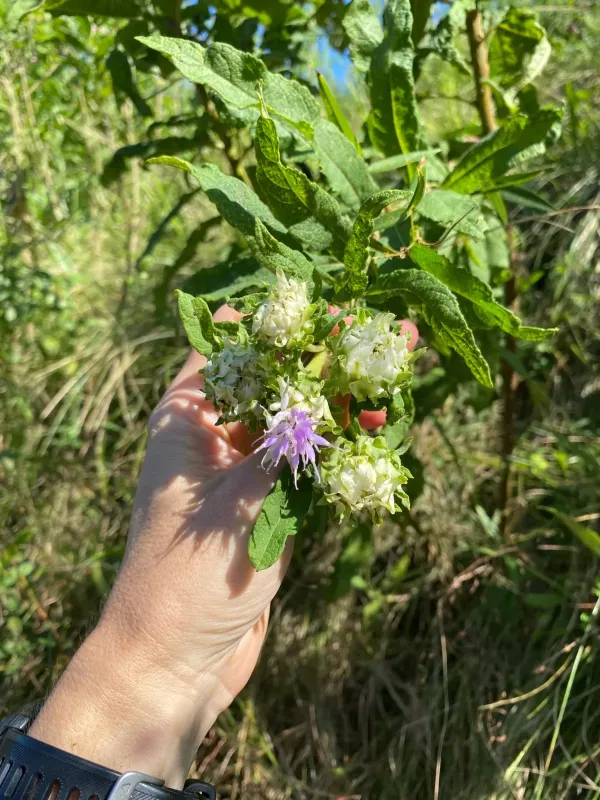
Description
Sowing dates
Baccharoides adoensis, a member of the Asteraceae family, is a perennial plant native to the African continent. Successful establishment of the crop begins with careful seed selection and preparation of the nursery beds to ensure high germination rates.
Sowing should take place at the onset of the rainy season, allowing the seedlings to establish a robust root system before the onset of any potential dry periods. Seeds require shallow placement in the soil to access the light necessary for activation.
Spacing is a critical parameter in the field, with recommended rows allowing for air circulation to prevent moisture buildup. Proper spacing ensures that each plant receives sufficient nutrients and light without competing excessively with neighboring specimens.
In a controlled agricultural setting, the soil should be amended with organic compost to provide the initial nutrient boost needed for rapid development. Ensuring a friable soil structure during the sowing process facilitates early root penetration.
Once seedlings have reached the three-leaf stage, thinning might be necessary if the initial density is too high. This careful management during the early life stages is vital for obtaining a healthy and productive crop stand.
Growing requirements
The plant thrives in regions with high solar radiation, preferring locations with full sun exposure throughout the day. Shade management is essential, as lower light levels can adversely affect the plant's phytochemical production.
Baccharoides adoensis performs best in well-drained, sandy loam soils with a slightly acidic to neutral pH balance. It is intolerant of waterlogged conditions, which can lead to rapid decay of the root system and plant death.
Temperature requirements range from 18 to 30 degrees Celsius, reflecting its tropical origin. Protection from cold winds and frost is mandatory, as the plant lacks the physiological mechanisms to survive freezing temperatures.
Watering strategies should be based on soil moisture monitoring rather than fixed schedules. Drought-tolerant once established, it still benefits from regular moisture during the active vegetative growth phase to maximize foliage production.
Nutritional management focuses on maintaining adequate levels of nitrogen for green growth and potassium to aid in water stress resistance. Periodic soil testing helps prevent over-fertilization, which could lead to stunted root development.
Yield
The harvestable yield of Baccharoides adoensis consists primarily of its leaves and floral parts, which are highly valued for their bioactive compounds. Proper management can yield several harvests within a single growing cycle if conditions remain favorable.
Productivity peaks during the maturation phase, usually occurring several months after transplanting. Harvesting should be timed to catch the plant at its physiological peak of secondary metabolite accumulation.
By implementing rotational harvesting techniques, growers can ensure a continuous supply of raw material throughout the season. This method avoids the total removal of foliage, allowing the plant to regenerate its canopy quickly.
Post-harvest handling requires rapid drying in a shaded, well-ventilated environment to prevent fermentation and loss of efficacy. This process is crucial for maintaining the market value of the end product.
Economic viability is highly dependent on the quality of the raw material, necessitating clean harvesting practices. Removing impurities during the collection stage saves costs during the post-processing phase.
Main diseases and pests
Fungal pathogens, particularly those causing root rot, represent the most significant threat to Baccharoides adoensis plantations. Maintaining good field hygiene and drainage is the primary defense against these soil-borne threats.
Pest management involves the early detection of aphids and mites that infest the tender new growth. Integrated pest management, favoring natural predators and organic sprays, is recommended to preserve the quality of the harvested biomass.
Weed control is labor-intensive but necessary, as weed presence not only competes for nutrients but also acts as a reservoir for pathogens and pests. Manual weeding is often preferred to protect the delicate root zone.
Effective crop rotation protocols help to break the life cycle of soil-borne pests. Avoiding the planting of Baccharoides adoensis in the same location for multiple consecutive seasons significantly reduces the buildup of harmful organisms.
Regular field scouting is essential to identify symptoms of distress, such as leaf yellowing or stunted growth. Swift identification and removal of affected plants can prevent the spread of localized infections to the wider field.