
Austroeupatorium inulaefolium
Austroeupatorium inulaefolium
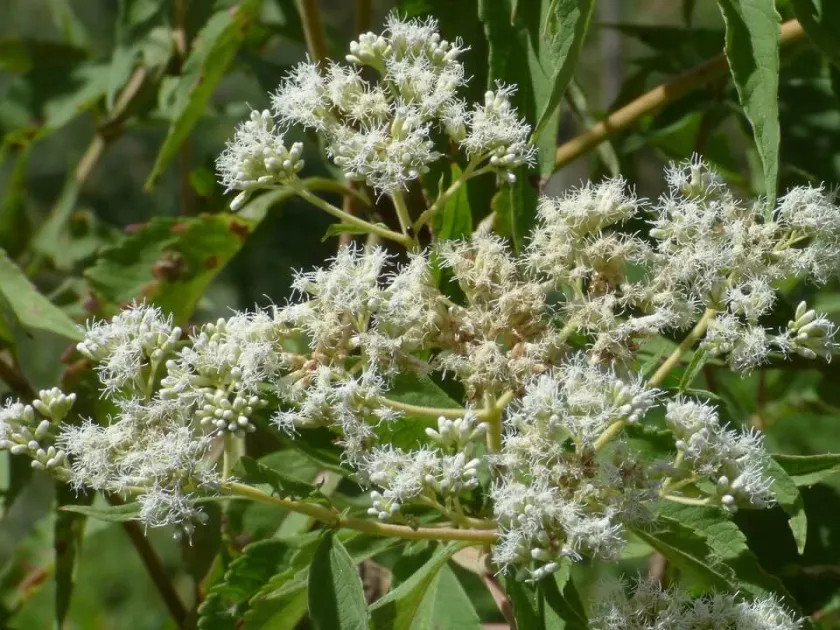
Description
Growing requirements
Austroeupatorium inulaefolium belongs to the Asteraceae family. It is a perennial shrub recognized for its rapid growth, often functioning as a pioneer species in various tropical and subtropical landscapes.
Native to South and Central America, the plant is well-adapted to open areas, clearings, and degraded lands. It thrives in environments with high solar radiation, often outcompeting local flora in disturbed habitats.
The plant demonstrates significant flexibility regarding soil types, performing well on poor or acidic soils. This adaptability makes it a resilient choice for regions where soil quality is less than ideal for traditional crops.
Climatic requirements focus on tropical and subtropical conditions with consistent moisture. It lacks cold tolerance, which limits its primary cultivation area to regions without frequent frost or freezing temperatures.
Botanically, the species is identified by its opposite, Inula-like leaves and flower heads arranged in dense corymbs. These features facilitate efficient pollination and seed dispersal, contributing to its status as a robust grower.
Yield
The agricultural potential of Austroeupatorium inulaefolium is currently centered on its use in medicinal research and biomass production. Scientists are exploring its phytochemical properties for various therapeutic applications.
In conservation and land management, the plant is utilized for erosion control. Its expansive root network helps stabilize steep terrains, while its rapid biomass accumulation helps restore structure to degraded soils.
Yields of green biomass are typically high, given the right cultivation conditions. The species is capable of regenerating quickly after harvesting, which presents opportunities for multiple harvests during the growing season.
The use of composted biomass is being investigated for organic farming. When properly decomposed, the organic matter provides beneficial nutrients and improves the moisture-retention capacity of the soil.
Due to its high reproductive capacity, cultivation must be managed strictly. Preventing the spread of seeds into surrounding ecosystems is essential to ensure that the plant remains a manageable crop rather than a weed.
Main diseases and pests
Austroeupatorium inulaefolium exhibits natural resistance to many common pests. The presence of specific chemical compounds within the leaves acts as a deterrent, reducing the need for chemical pesticide intervention.
However, environmental stressors like waterlogging can lead to root rot or fungal infections. Maintaining proper drainage is the most effective preventative measure against these types of health issues.
While the plant is hardy, certain sap-sucking insects may occasionally cause minor damage to foliage. Such attacks are usually limited and do not necessitate large-scale control measures under balanced growing conditions.
Management of the plant's spread is the primary concern for agronomists. Systematic monitoring and timely pruning or mechanical removal are key tasks to keep the population density within desired parameters.
The overall health of the planting is best maintained through consistent field scouting. Addressing site-specific humidity issues remains the best way to prevent the development of common plant diseases.