
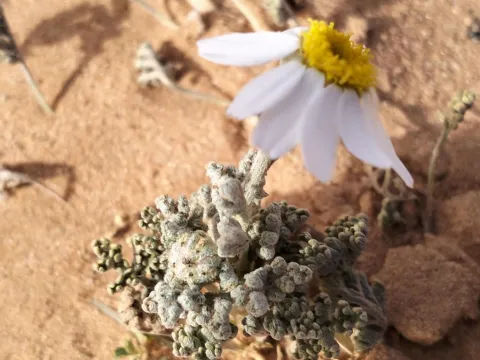
Anthemis stiparum
Anthemis stiparum
Anthemis stiparum is a herbaceous plant belonging to the Asteraceae family, valued for its medicinal properties. Originating from steppe and semi-arid regions, the crop is highly adapted to harsh environmental conditions and variable temperature regimes.
What the section contains
Anthemis stiparum
The plant thrives in well-drained, sandy or stony soils with a neutral pH level. Proper aeration of the root zone is crucial for the development of the plant, as it helps prevent root rot and promotes the synthesis of valuable secondary metabolites within the plant tissue.
Climatic requirements involve high light intensity and long daylight hours during the active vegetative growth phase. Anthemis stiparum is exceptionally drought-resistant, allowing it to perform well in regions where traditional moisture-loving crops struggle to survive.
Agronomic practices for this species focus on maintaining low soil fertility in terms of nitrogen, as excessive fertilization can compromise the chemical quality of the medicinal harvest. Minimal intervention is often required once the crop is established.
The morphological characteristics of the plant include finely dissected foliage and characteristic flower heads. These structures are the primary economic part of the plant, requiring specific care during the peak flowering stage to ensure maximum yield of raw materials.
The primary health risks for Anthemis stiparum involve fungal pathogens such as powdery mildew and root rot. These issues are generally associated with excessive humidity and inadequate air circulation within the canopy of the plants.
Insect pests, including aphids and various coleopterans, can cause damage to the foliage and developing flower buds. Infestations lead to reduced plant vigor and lower the final yield potential of the crop significantly.
Management strategies emphasize cultural practices like proper plant spacing to facilitate airflow, which effectively reduces the incidence of disease. Avoiding the over-application of water during the late season is also essential for disease prevention.
Integrated pest management protocols are recommended to maintain the organic status of the crop. Utilizing biological controls helps keep pest populations below the economic injury level while protecting the local ecosystem.
Regular field scouting is a fundamental component of the agronomist's work for this crop. Monitoring the development stages allows for timely identification of environmental stresses and pest activity before they can impact overall productivity.