
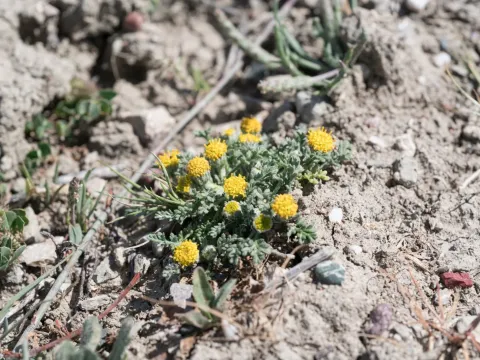
Anthemis rigida
Anthemis rigida
Anthemis rigida is an annual herbaceous plant belonging to the Asteraceae family. It is recognized for its adaptation to specific ecological niches and its role in regional biodiversity.
What the section contains
Anthemis rigida
Sowing typically takes place in early spring, once the soil has reached an optimal temperature for germination. Providing a fine, friable seedbed is essential to ensure consistent emergence of the seedlings.
The seeds are relatively small and should be sown at a shallow depth, usually not exceeding 2 centimeters. Proper soil-to-seed contact is achieved by light rolling after the sowing process is completed.
Spacing between plants should be sufficient to prevent inter-plant competition, which could otherwise limit the development of the flowering heads. Field trials suggest specific plant densities depending on the soil fertility level.
In regions with milder climates, autumn sowing is a viable alternative. This practice allows the seedlings to establish a root system before the onset of the dormant winter period.
This crop thrives in sunny, open environments where it can maximize its photosynthetic efficiency. Lack of sunlight results in poor vegetative growth and diminished potential for flower production.
Soil requirements for Anthemis rigida focus on excellent drainage. It performs best in sandy or light loamy soils where the risk of waterlogging is minimal, preventing root-related complications.
The plant demonstrates high drought tolerance, making it suitable for areas with restricted irrigation capabilities. It maintains its physiological functions even under conditions of limited water availability.
Maintaining a neutral to slightly alkaline soil pH is critical for nutrient uptake. In soils with high acidity, the application of agricultural lime can significantly improve overall plant health.
Balanced fertilization is necessary, focusing on the appropriate ratio of nitrogen, phosphorus, and potassium. Excess nitrogen should be avoided to prevent susceptibility to lodging and fungal issues.
Common diseases affecting this plant include powdery mildew, which can develop rapidly under humid conditions. Regular monitoring is essential to detect early symptoms and initiate control measures.
Pests such as aphids and spider mites are frequent threats, especially during hot and dry spells. These pests damage the foliage and can transmit various plant viruses.
Root rot is a potential risk in poorly drained soil types. Proper field management, including regular crop rotation, is crucial to break the disease cycle and protect the health of the field.
Weed management is a vital aspect of the agronomy for this species. Weeds can outcompete the young seedlings for nutrients, space, and sunlight, leading to significant yield losses.
Integrated Pest Management (IPM) practices are highly recommended. This includes the use of resistant varieties, biological control agents, and precise application of crop protection products.
The harvest period is determined by the maturity of the seed heads, which show a distinct color change as they ripen. Timing is critical to minimize loss due to seed shattering.
Modern harvesting techniques involve direct combining or swathing followed by picking up the material. This ensures that the seeds are collected with minimal damage to the reproductive organs.
Post-harvest processing involves cleaning the seeds to remove chaff and other vegetable debris. This is necessary to maintain the quality and storage stability of the final harvested material.
Drying the seeds to an appropriate moisture content is a priority. Proper aeration and storage conditions help prevent mold growth and preserve the long-term viability of the seeds.
Final storage should be in cool, dry environments using bags or containers that allow for limited airflow. Monitoring temperature and humidity levels during storage is a standard practice for maintaining seed longevity.