
Acilepis divergens
Acilepis divergens
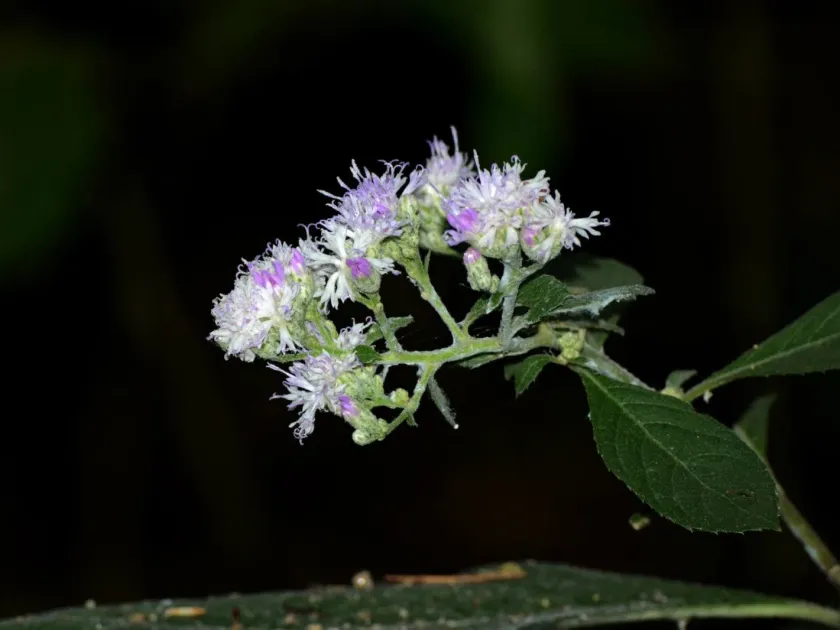
Description
Growing requirements
Acilepis divergens is a perennial herbaceous plant belonging to the Asteraceae family. Historically categorized under the genus Vernonia, it has been reclassified to Acilepis, reflecting its distinct botanical traits and specific ecological niche within its native Asian habitats.
The plant thrives in tropical and subtropical climates, preferring environments with consistent warmth and moderate humidity. Its natural distribution includes open grasslands and woodland edges, which dictates its preference for full sun exposure during the vegetative growth phase.
When cultivated, the plant requires well-drained, fertile soil with a slightly acidic to neutral pH balance. Soil structure is paramount; it should be loose and friable to prevent waterlogging, which the plant is highly susceptible to throughout its life cycle.
Agronomic management involves regular irrigation during the establishment phase, transitioning to moderate water application as the plant matures. It does not tolerate prolonged frost, meaning cultivation in temperate zones often requires greenhouse conditions or seasonal container management.
In terms of agricultural utility, the species is investigated for its pharmaceutical potential. It serves as a source of diverse secondary metabolites, making it a subject of interest for small-scale botanical farming aiming to provide raw materials for the herbal supplement industry.
Main diseases and pests
Root rot, primarily caused by Pythium or Fusarium species, represents the most significant threat to Acilepis divergens. This condition is almost exclusively linked to poor soil drainage and excessive irrigation, leading to rapid decline and plant loss.
Foliar diseases such as powdery mildew can occur during periods of high humidity and stagnant air circulation. Cultural control measures, such as proper plant spacing and thinning, are essential to maintain airflow and reduce the incidence of fungal spores settling on leaves.
Insects like aphids and spider mites are frequent pests, particularly in dry, warm conditions. These pests suck nutrients from the plant, potentially acting as vectors for viral diseases that can stunt growth and ruin the quality of the harvested biomass.
Integrated Pest Management (IPM) strategies are recommended to mitigate threats. This includes introducing beneficial predatory insects and using botanical-based oils or soap sprays to control infestations without compromising the chemical profile of the plant tissue.
Crop rotation remains a fundamental practice to prevent soil-borne pathogen buildup. Growers are advised not to plant Acilepis divergens in succession with other Asteraceae species to interrupt the life cycles of specific agricultural pests and soil-dwelling fungi.