
Acilepis ornata
Acilepis ornata
Description
Growing requirements
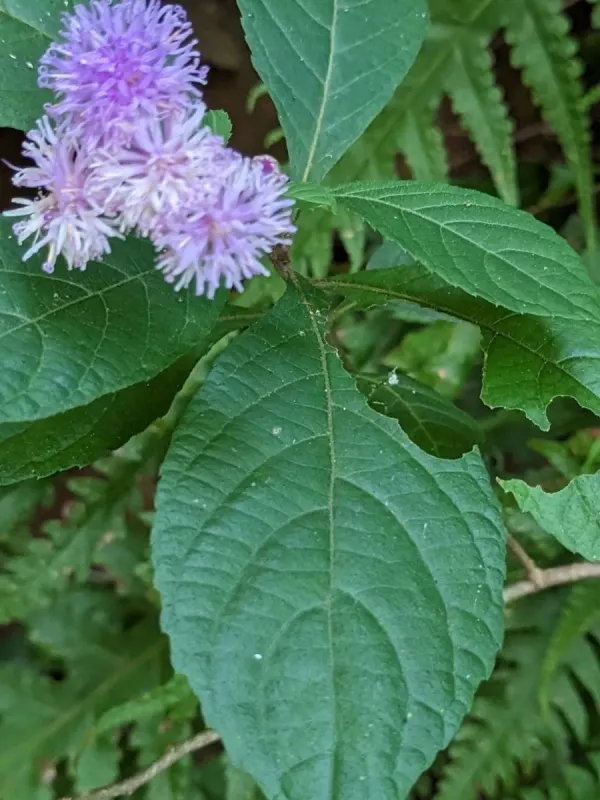
Acilepis ornata is a perennial herbaceous plant belonging to the Asteraceae family. Historically associated with the Vernonia genus, this species displays the typical structural characteristics of the tribe, including compact inflorescences and robust stalks. It is recognized in botanical circles for its unique morphological features.
The plant originates from Southeast Asia, particularly thriving in the tropical environments of India. Its natural habitat consists of humid forest floors and open meadows. This adaptation to specific tropical climates makes it a sensitive crop that requires stable environmental conditions to reach its full growth potential.
Cultivation requires well-drained, fertile soil, ideally with a neutral to slightly acidic pH balance. Proper aeration is crucial to prevent root rot, which is a common challenge for plants native to tropical forest ecosystems. Growers must ensure that the growing medium provides consistent nutrient availability throughout the vegetative cycle.
Agricultural practices for Acilepis ornata focus on maintaining consistent temperature levels, typically between 22 and 28 degrees Celsius. The crop demands significant light exposure but must be protected from intense, direct midday sun to prevent leaf scorching. In temperate regions, greenhouse cultivation is strictly necessary for successful growth.
The primary economic use of Acilepis ornata lies in the ornamental industry, valued for its distinctive aesthetic appearance and longevity as a cut flower. Beyond its visual appeal, ongoing research explores its chemical composition, which may hold value in pharmacological or specialized botanical applications, depending on the extraction and processing techniques used.