
Tama wild ginger
Asarum tamaense
Description
Growing requirements
Tama wild ginger (Asarum tamaense) is an intriguing perennial plant belonging to the Aristolochiaceae family. Originating from the mountainous forests of Japan, this species is highly valued in horticulture for its dense growth habit and unique, patterned foliage which provides excellent ground cover in shaded areas.
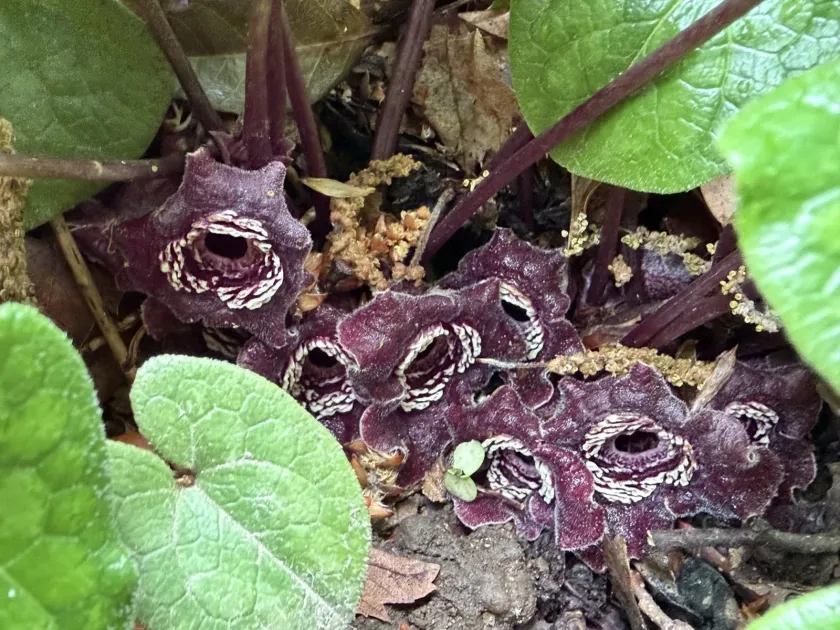
Botanically, the plant is characterized by its rhizomatous growth and thick, heart-shaped leaves that often exhibit silver-colored venation or marbling. The flowers are typically inconspicuous, brownish or purple, and hidden beneath the foliage, which is a signature trait of the Asarum genus.
For successful cultivation, this plant requires a location that mimics its native woodland habitat. It thrives in full to partial shade, where the canopy of trees provides protection from direct, harsh sunlight which could damage the delicate leaf tissue.
The soil should be consistently moist, rich in organic matter, and slightly acidic to neutral. Incorporating leaf mold, well-rotted compost, or peat into the planting site is highly recommended to ensure proper moisture retention while maintaining a light, porous structure that prevents waterlogging.
In terms of climate, the plant prefers cool to temperate environments with stable humidity levels. It is relatively hardy, but in regions with harsh winters, a protective layer of mulch or autumn leaves is beneficial to insulate the rhizomes and ensure vigorous growth during the subsequent spring season.
Main diseases and pests
The most common pests affecting this plant are slugs and snails, which can cause significant damage to the lush leaves during damp weather. Additionally, gardeners should be cautious of overwatering, as poor drainage often leads to crown rot or fungal issues that can rapidly compromise the health of the root system.