
Argentine Dutchman's pipe
Aristolochia argentina
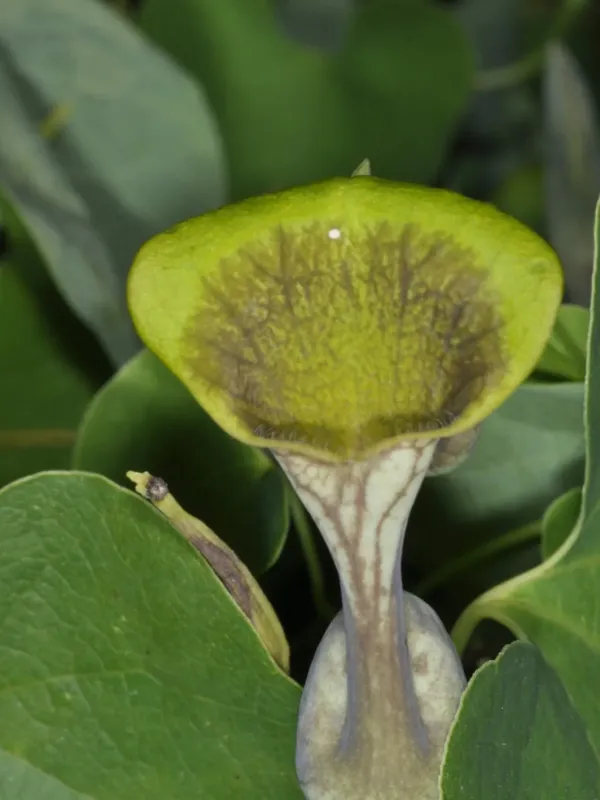
Description
Growing requirements
The Argentine Dutchman's pipe (Aristolochia argentina) is a perennial vine belonging to the Aristolochiaceae family. Originating from the temperate and subtropical zones of Argentina, this plant is valued for its unique flower morphology and rapid climbing habit.
Successful cultivation requires soil that is rich in organic matter and well-draining. The plant thrives in locations where it can access partial shade, especially in areas with intense afternoon sun, which protects the foliage from burning during peak summer heat.
Watering management is crucial for the vitality of the vine. It requires consistent moisture, especially during the spring and summer growth phases, but irrigation must be carefully controlled to prevent waterlogging, which often leads to root distress in this species.
Climatic requirements focus on warmth; as a native of milder climates, Aristolochia argentina is sensitive to hard frosts. In colder regions, the vine is often cultivated in greenhouses or managed as a container plant that can be moved indoors during the winter months.
Agrotechnical maintenance involves the installation of sturdy supports such as trellises or wires. Proper training of the vines ensures better air circulation throughout the plant, which is vital for preventing humidity-related issues and promoting healthy vegetative growth.
Main diseases and pests
The primary threats to Aristolochia argentina include fungal diseases such as leaf spots and root rots caused by excessive humidity. Proper spacing between plants is highly recommended to maintain adequate ventilation and prevent the rapid spread of infections.
Pests like aphids and spider mites can infest the foliage, particularly in protected or indoor growing conditions. Regular monitoring of the underside of leaves and keeping the plant well-hydrated helps prevent these infestations from reaching damaging levels.
Soil-borne pathogens represent a significant risk if the substrate remains waterlogged for extended periods. To mitigate this, growers should ensure that containers have excellent drainage holes and that open-ground beds are properly amended with drainage materials like perlite or grit.
Nutrient imbalances can occasionally cause chlorosis, a yellowing of the leaves. Maintaining a balanced fertilization schedule during the growing season helps the plant resist common environmental stressors and supports the development of its distinctive floral displays.
Sanitation practices are essential for managing threats effectively. Removing fallen debris and pruning away withered or infected stems reduces the likelihood of pest outbreaks and helps maintain the overall structural integrity of the vine throughout the gardening season.