
Aristolochia baetica
Aristolochia baetica
Description
Growing requirements
Aristolochia baetica is a member of the Aristolochiaceae family, characterized as a perennial evergreen climbing plant. It is natively distributed across the western Mediterranean region, thriving in specific ecological niches within Spain, Portugal, and North Africa.
This species requires well-drained, lime-rich soil to establish a healthy root system. It thrives in locations that offer protection from harsh winds, preferring sun-drenched areas where it can climb effectively on fences or trellises.
Climatic requirements are centered on mild temperatures, as the plant is not fully frost-hardy in severe conditions. During the growing season, it benefits from moderate rainfall and high humidity levels, which support its vigorous foliage development.
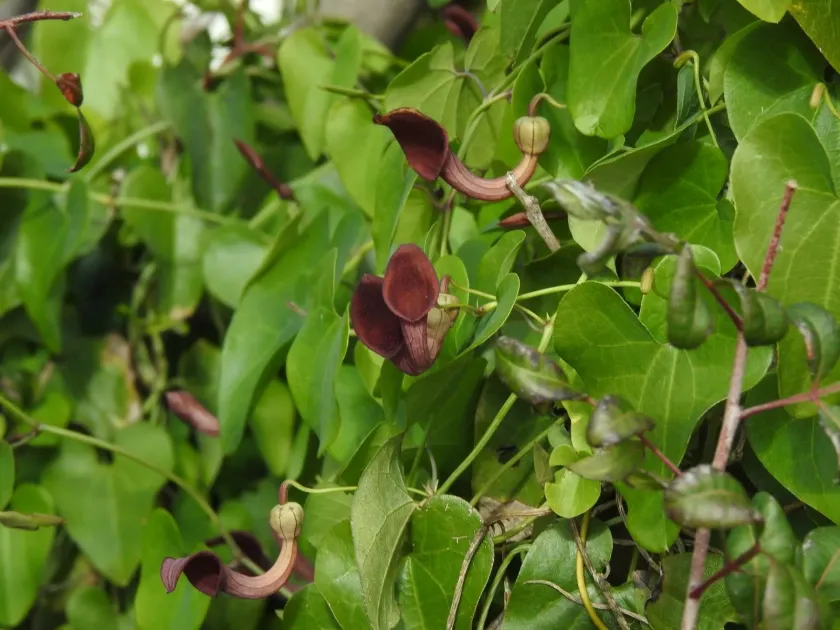
Botanically, the plant is distinguished by its heart-shaped leaves and unusual, complex flowers that serve to trap insects temporarily for cross-pollination. The stems are woody at the base and become more pliable toward the terminals.
Cultivation practices involve regular pruning to manage growth and ensure the vine remains within its designated support structure. Irrigation should be consistent, ensuring the substrate remains moist but never waterlogged to prevent physiological disorders.
Main diseases and pests
Fungal pathogens such as powdery mildew are common in environments with poor air circulation. Regular pruning to improve airflow through the foliage canopy is essential for preventing the spread of these fungal spores.
Aphids and spider mites are the primary pests that infest the tender tips of the plant during periods of rapid growth. Integrated pest management, including the use of neem oil or insecticidal soaps, is recommended for effective control.
Root rot caused by Phytophthora or Pythium species poses a significant risk if soil drainage is inadequate. Proper site selection and soil amendment with coarse sand or perlite are critical preventive measures.
Slugs and snails can cause significant damage to young leaves in early spring when the plant is most vulnerable. Installing barriers or using organic bait can protect the plant during this critical growth stage.
Viral mosaic diseases may occasionally manifest, leading to mottled foliage and stunted development. As there is no cure, identifying and removing infected plant material is the standard protocol for containment.