
Aristolochia acuminata
Aristolochia acuminata
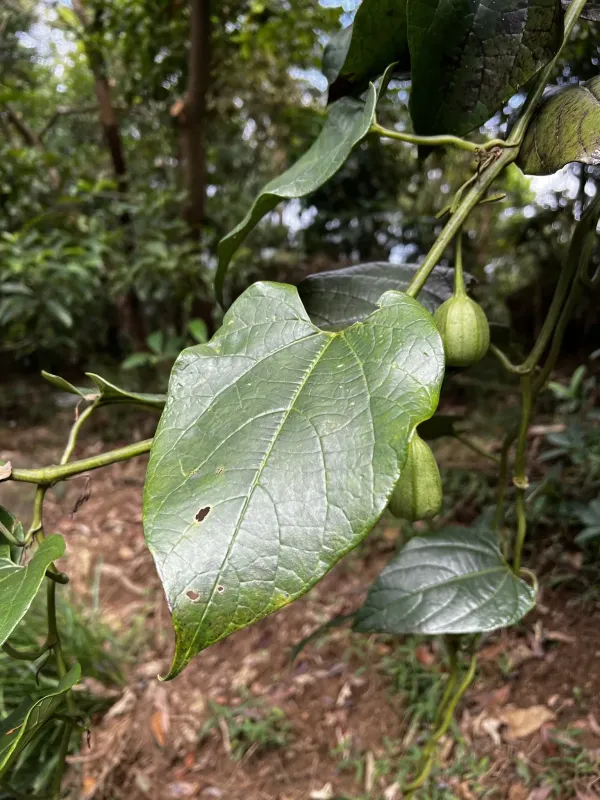
Description
Sowing dates
The seeds of Aristolochia acuminata should be sown in the spring after the danger of frost has passed, ensuring the soil has warmed up sufficiently to support germination.
It is highly recommended to stratify the seeds for a period of 6 to 8 weeks in a cool environment to break dormancy and significantly increase the germination percentage.
Sowing should be done in a well-draining seed-starting mix, placing seeds at a depth of about 1 to 2 centimeters to ensure they have enough stability while emerging.
Once seedlings have developed several true leaves, they can be transplanted into larger containers or moved to their permanent location in the garden.
Regular monitoring of moisture levels in the seedbed is essential during the first month, as the developing root system is sensitive to both dehydration and overwatering.
Growing requirements
Belonging to the Aristolochiaceae family, this species thrives best in tropical and subtropical climates where high humidity and warm temperatures prevail year-round.
The plant demands deep, fertile soil rich in organic matter. A slightly acidic to neutral pH level provides the most favorable conditions for nutrient uptake and overall vigor.
As a vigorous woody climber, Aristolochia acuminata requires a robust trellis or sturdy fence to support its rapid vertical growth and substantial weight during the growing season.
Light exposure is a critical factor; while it appreciates bright light, protection from the direct scorching afternoon sun is advisable in regions with very high temperatures.
Watering requirements are high during the peak summer months. Consistent soil moisture should be maintained, but the planting site must have excellent drainage to prevent root rot.
Main diseases and pests
The most common pests affecting this plant include aphids and spider mites, which typically thrive in environments with low humidity or poor air circulation.
Fungal issues such as powdery mildew can occur if the foliage remains damp for extended periods, making proper spacing between plants a crucial cultural practice.
Root rot is the most serious threat, usually caused by heavy, waterlogged soil or excessive irrigation, necessitating the use of gravelly or sandy substrates.
Biological control methods are preferred, but if infestations reach economic thresholds, the application of horticultural oils or approved systemic insecticides may be required.
The plant possesses inherent chemical defenses, specifically aristolochic acid, which generally acts as a deterrent against most local herbivores and chewing insects.