
Aristolochia albida
Aristolochia albida
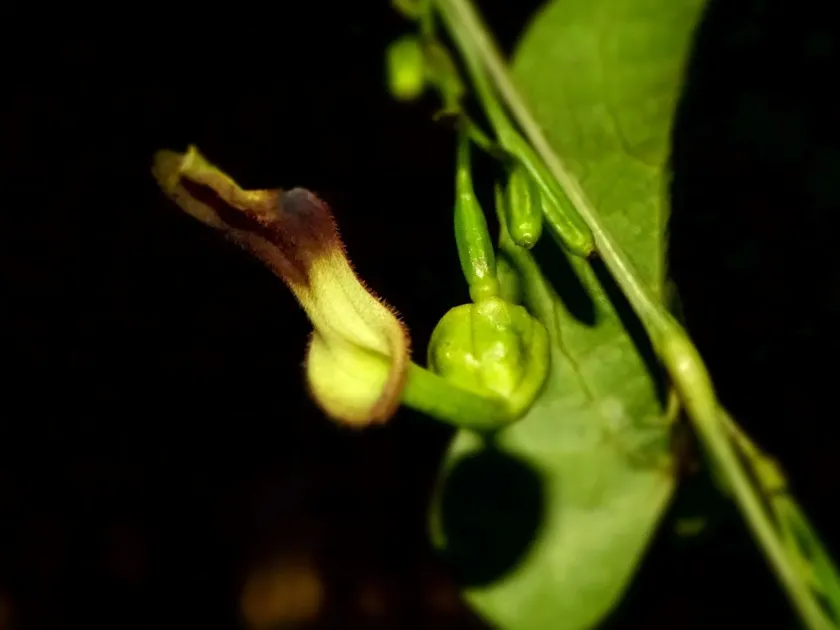
Description
Sowing dates
Sowing seeds of Aristolochia albida is primarily carried out before winter in open ground or in early spring after the seeds have undergone a stratification period. To improve germination, it is recommended to keep the seeds in cold conditions at a temperature between 0 and +5 degrees Celsius for 30–60 days.
The planting depth should not exceed 1–2 centimeters to ensure unobstructed germination. The soil must be well-moistened but free of waterlogging, as seeds are sensitive to excess moisture during the cold season.
When using a greenhouse method, sowing is conducted in March into a light, nutrient-rich substrate. Seedling transplanting is performed once two true leaves appear, moving the plants into individual containers for further development.
A key condition for successful sowing is choosing a site protected from strong winds. The plant does not tolerate transplantation well, so it is optimal to use peat pots that can be planted directly into the ground together with the plant.
The first sprouts appear 3–4 weeks after sowing, provided that a stable temperature range of +18...+22 degrees Celsius is maintained. During the first year of life, the development of Aristolochia proceeds slowly, with most energy directed toward root system formation.
Growing requirements
Aristolochia albida prefers fertile, loose, and well-drained soils with a neutral or slightly acidic pH. It is essential to avoid areas with a high water table, as stagnant moisture is detrimental to the roots.
The crop is light-loving but can tolerate partial shade in regions with a hot climate. Optimal lighting promotes active vegetative growth and ensures proper seed maturation.
Climate requirements include a warm summer period and moderate air humidity. The plant is relatively cold-hardy, although in northern regions, young specimens require winter protection with spruce branches or soil mulching.
Agronomic practices include regular weeding and inter-row cultivation, especially in the first years of the plant's life. It is important to prevent soil compaction, which hinders oxygen access to the roots.
Fertilizers should be applied moderately: nitrogen-based fertilizers in spring stimulate growth, while phosphorus-potassium blends are ideal during the flowering period. Organic compost is applied once every two years during autumn tilling.
Yield
The economic use of Aristolochia albida focuses on harvesting plant raw materials, specifically leaves and roots that contain aristolochic acid. The yield of green mass depends directly on the age of the plantation and the quality of care provided.
Maximum productivity is observed 3–4 years after planting, when the bushes reach full development. Up to 5–7 tons of dry plant raw material per hectare can be obtained under intensive cultivation technologies.
Harvesting for medicinal purposes is conducted during the active vegetation phase, before fruit maturation. Leaves are harvested manually, taking care not to damage the main stems to preserve the plant's long-term viability.
Roots of Aristolochia are harvested in the autumn during the die-back phase of the aerial parts. They are thoroughly cleaned of soil, washed in running water, and dried at a controlled temperature not exceeding +45 degrees.
Standardization of the yield requires proper storage conditions: a dry, dark, and well-ventilated space prevents the loss of biologically active substances and damage to the raw material by insects.
Main diseases and pests
Root rots are among the primary diseases of the crop, typically triggered by improper irrigation practices. Prevention involves strict drainage control and the use of fungicides at the first sign of infection.
Pests such as spider mites and aphids can damage leaves during dry periods. Regular monitoring of plants and the use of biological control agents help effectively manage the population of phytophagous insects.
Powdery mildew may manifest in high humidity and poor air circulation. To protect the plants, sulfur-based products or systemic fungicides are applied.
Leaf-eating caterpillars can destroy a significant portion of the vegetative mass; therefore, pest infestation monitoring should be conducted weekly throughout the entire growing season.
Weeds pose a serious threat to young Aristolochia seedlings. Competition for nutrients and water significantly reduces the total yield, making timely weeding a critical operation.
Harvesting
Harvesting of the aerial parts (the herb) is conducted during the flowering phase, when the concentration of biologically active compounds reaches its peak. Mechanized mowing is permissible for large industrial plots.
The cut mass must be sent for drying immediately to avoid self-heating and the decomposition of plant tissues. The time from cutting to the start of the drying process should not exceed 4–6 hours.
Roots are excavated using specialized mechanical equipment like plowshares that allow the root system to be extracted with minimal mechanical damage. After removal from the ground, the roots are cleaned of impurities and soil remnants.
Drying is performed in specialized chambers with forced ventilation. Turning the raw material during the drying process ensures even moisture removal from all plant parts and prevents mold formation.
After drying is complete, the raw material is sorted to remove blackened or damaged fragments and packaged in cloth bags or paper containers for subsequent sale or processing.