
Aristolochia arcuata
Aristolochia arcuata
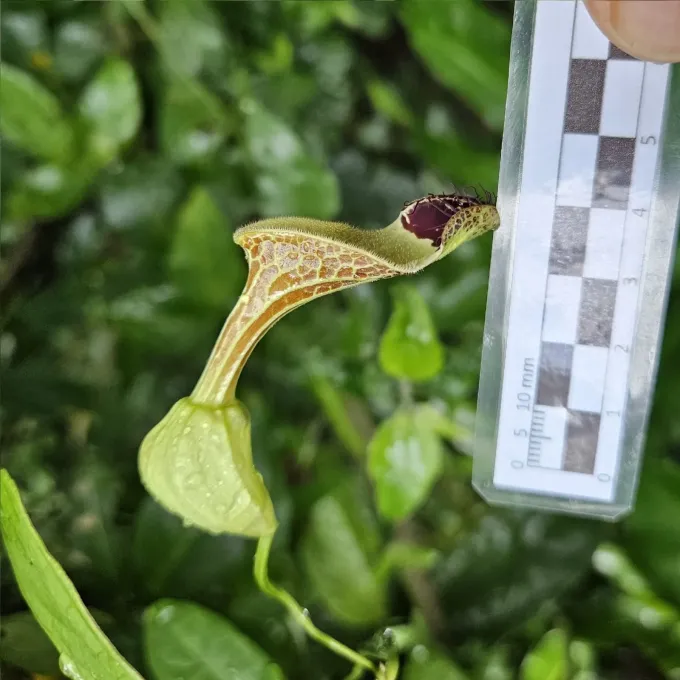
Description
Sowing dates
The sowing of Aristolochia arcuata seeds should be performed in early spring after a mandatory period of cold stratification. Storing seeds at temperatures between +2 and +5 degrees Celsius for four weeks significantly improves germination rates.
Prepare a light, well-draining substrate composed of peat, perlite, and high-quality potting soil. Seeds should be sown at a shallow depth of about 1 centimeter to ensure they have sufficient energy to reach the surface.
Keep the container in a warm place with a temperature of approximately +22 degrees Celsius. Maintaining consistent humidity is crucial, so covering the tray with a clear plastic dome or glass is recommended until seedlings emerge.
Once seedlings have developed their second true leaves, they should be carefully transplanted into individual deep pots. This encourages deep root development, which is essential for the climbing nature of this perennial vine.
Hardening off the plants for at least two weeks before transplanting them into the garden is essential to prevent shock. Choose a permanent location where the soil warms up quickly but is not prone to drying out.
Growing requirements
Aristolochia arcuata thrives in fertile, moist, and well-drained soils. Adding organic matter, such as compost or well-rotted manure, to the planting hole provides the necessary nutrients for vigorous vine development.
This species requires sturdy support systems such as trellises, fences, or pergolas. As a vigorous climber, the stems require guidance during the early stages of growth to cover the intended area effectively.
The ideal planting site features partial shade. While the vine can tolerate moderate sunlight, intense exposure during summer afternoons may cause leaf scorching, which diminishes the ornamental value of the plant.
Watering should be frequent enough to keep the soil consistently moist but never waterlogged. During periods of extreme summer heat, providing supplemental water and a layer of mulch will help maintain soil hydration.
In terms of nutrition, applying a balanced NPK fertilizer during the peak growing season supports the development of lush foliage. Avoid excessive nitrogen late in the season to ensure stems harden off before winter.
Main diseases and pests
Aphids are the most common pests affecting the tender shoots and leaves of Aristolochia arcuata. Regular monitoring and the use of insecticidal soap or biological control methods are effective in managing populations.
Spider mites may appear during dry and hot spells. Increasing ambient humidity around the foliage and using appropriate miticides can effectively eliminate the infestation before it stunts the plant's growth.
Fungal issues such as powdery mildew can occur if the plant lacks proper air circulation. Pruning the vine to improve airflow and preventing overhead watering can significantly reduce the risk of disease.
Root rot is a critical threat caused by poorly drained soils or overwatering. Ensuring that the planting site has adequate drainage is the most effective preventative measure against this persistent issue.
Occasional nutrient deficiencies, indicated by chlorosis or irregular leaf color, can be addressed through the application of chelated iron or a micronutrient-rich liquid fertilizer during the active growing cycle.