
Aristolochia arborea
Aristolochia arborea
Description
Growing requirements
Aristolochia arborea is a remarkable plant species belonging to the Aristolochiaceae family, distinguished by its unusual growth habit. Unlike many of its climbing relatives, this species develops into a woody, shrub-like form, making it an exceptional specimen for specialized botanical collections and conservatories.
Originating from the tropical rainforests of Central America, specifically regions in Mexico and Guatemala, this plant is well-adapted to shaded forest floors. It thrives in environments with high humidity and diffused light, requiring protection from harsh, direct sunlight that can scorch its large, heart-shaped leaves.
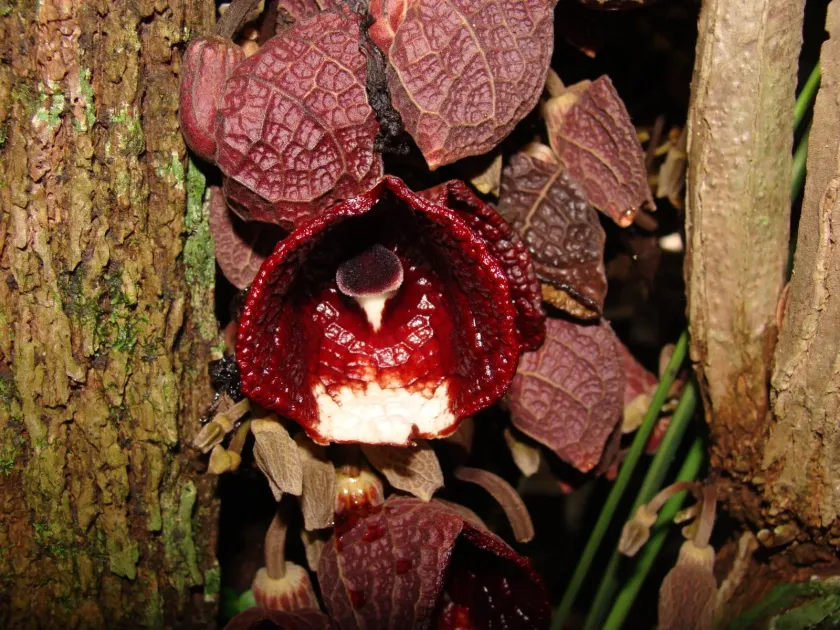
The botanical highlight of Aristolochia arborea is its cauliflory, where complex, tubular, brown-purple flowers bloom directly from the lower trunk. This evolutionary adaptation serves to attract specific ground-dwelling pollinators in its native habitat, creating a fascinating visual effect for observers.
Cultivation requirements involve a well-draining, humus-rich soil substrate that maintains moisture without becoming waterlogged. The species requires warm temperatures year-round, ideally between 20°C and 28°C, and is sensitive to cold drafts or rapid temperature drops, which can lead to stress or leaf drop.
In terms of agricultural and horticultural utility, this plant is used primarily for ornamental purposes in climate-controlled indoor settings. Its unique architecture and exotic blooming cycle make it a prized possession for professional greenhouses and botanical garden displays focused on tropical biodiversity.
Main diseases and pests
Spider mites are the most common pest threat to Aristolochia arborea, particularly when the ambient air humidity is insufficient. These pests can rapidly infest the plant, causing yellowing and premature dropping of the foliage if left unchecked.
Root rot, induced by overwatering or poor drainage, remains a significant threat to the plant's health. It is critical to ensure that the substrate is not excessively dense and that water does not accumulate in the tray after irrigation sessions.
Mealybugs can also pose a problem, often hiding in the crevices of the woody trunk or at the base of the petioles. Regular inspection and the use of insecticidal soaps are recommended as standard integrated pest management practices.
Nutrient deficiencies or improper soil pH levels can manifest as interveinal chlorosis, which compromises the plant's aesthetic value and overall vigor. Regular application of a balanced, low-concentration liquid fertilizer during the growing season is recommended.
To mitigate these threats, growers should maintain a stable microclimate, practice cautious watering, and ensure adequate air circulation to discourage both fungal pathogens and pest colonization within the greenhouse environment.