
Woolly pipevine
Aristolochia tomentosa
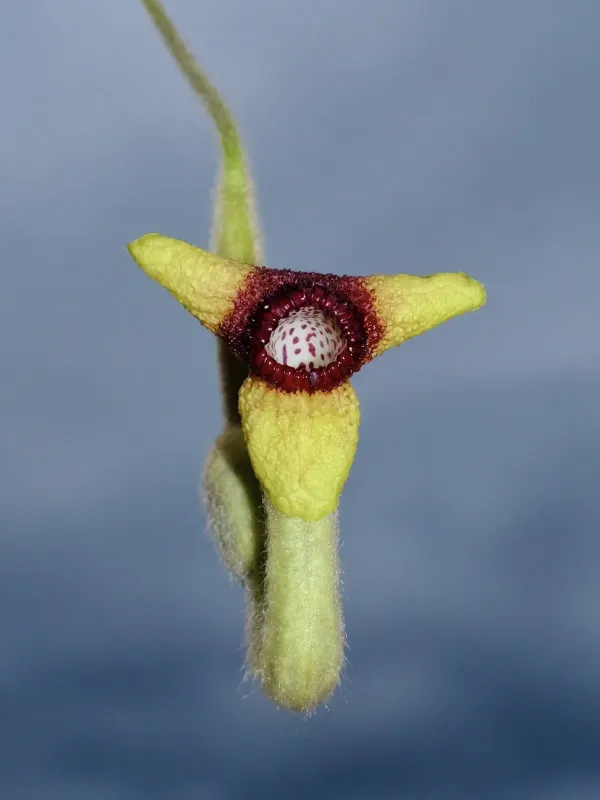
Description
Sowing dates
Seeds of the woolly pipevine are best sown in the autumn directly into the ground to allow for natural stratification during the winter. If spring planting is preferred, seeds must undergo a cold stratification process for at least two to three months before sowing.
When starting indoors, sow the seeds in a high-quality, lightweight seed-starting mix in early spring. Keep the temperature consistently between 18 and 20 degrees Celsius, ensuring the soil remains moist without becoming waterlogged.
Seedlings should be pricked out into individual pots once they develop their first set of true leaves. Transition the young plants to the outdoors only after all risks of frost have passed to ensure they do not suffer from cold damage.
For faster multiplication, nurseries often use vegetative propagation methods such as softwood cuttings. These are taken in mid-summer, treated with rooting hormones, and placed in a humid environment until roots are established.
Selecting the right location at the start is vital for long-term health. The soil should be fertile, moist, and well-drained, which helps the young vine establish a strong root system during its first year of growth.
Growing requirements
The woolly pipevine, belonging to the Aristolochiaceae family, is native to the southeastern United States. It is a vigorous, deciduous woody vine recognized for its large, heart-shaped leaves that feature a soft, velvety texture on the underside.
This plant thrives in partially shaded environments, mirroring its natural forest habitat. While it can tolerate more sun if provided with consistent soil moisture, it performs best when protected from the intense heat of the midday sun.
Rich, organic soil is essential for success. Adding compost or well-rotted manure during the planting process helps maintain the soil structure and fertility necessary for such a fast-growing climber.
Woolly pipevine is quite winter-hardy and can withstand moderate climates once established. However, young plants benefit significantly from mulch covering during their first few winters to protect the crown from freezing temperatures.
Adequate water supply is crucial, especially during dry summer months. Because of its large leaf surface area, the plant loses moisture quickly and requires deep, regular irrigation to maintain its lush appearance throughout the season.
Yield
The primary use of Aristolochia tomentosa is for vertical gardening and ornamental landscaping. It is an ideal choice for covering fences, trellises, arbors, and building facades, creating a thick and dense screen of foliage.
The unique, pipe-shaped flowers add a whimsical aesthetic to the garden. While the fruits are not edible and possess no agricultural commodity value, the plant is highly valued by gardeners for its rapid growth rate and year-round interest.
In landscaping, this vine acts as a natural sound barrier and a significant contributor to local urban cooling through shade. Its dense canopy effectively shades exterior walls, helping to reduce energy costs in residential buildings.
The plant generally requires minimal maintenance, though light pruning can be used to control its spread or remove dead wood in late winter. This promotes healthier growth and helps maintain the desired shape on vertical structures.
It is important to note that the plant contains aristolochic acid, which is toxic if ingested. Therefore, it should be kept away from areas accessible to livestock or pets, and gardeners should handle the plant with care during pruning.
Main diseases and pests
Aphids are the most common pest, often colonizing the tender young shoots and undersides of leaves. Regular inspections and the use of insecticidal soaps or biological controls can effectively manage populations before they cause stress.
Powdery mildew is a common fungal threat, particularly in locations with poor air circulation or high humidity. Ensuring the vine has sufficient space to breathe and thinning out dense growth can mitigate this risk significantly.
Root rot occurs if the plant is grown in heavy, poorly drained soil. If the roots stay submerged in water, they will begin to decay, leading to overall plant wilting and potentially death, which is why drainage must be prioritized.
Leaf spots caused by various fungi may appear during rainy periods. While usually cosmetic, these should be monitored; cleaning up fallen leaves in the autumn is a key sanitary practice to reduce the spread of spores in the following spring.
- Aphid infestations on new shoots.
- Powdery mildew (white fungal coating).
- Root rot from overwatering.
- Fungal leaf spots during wet seasons.