
Virginia snakeroot
Aristolochia serpentaria
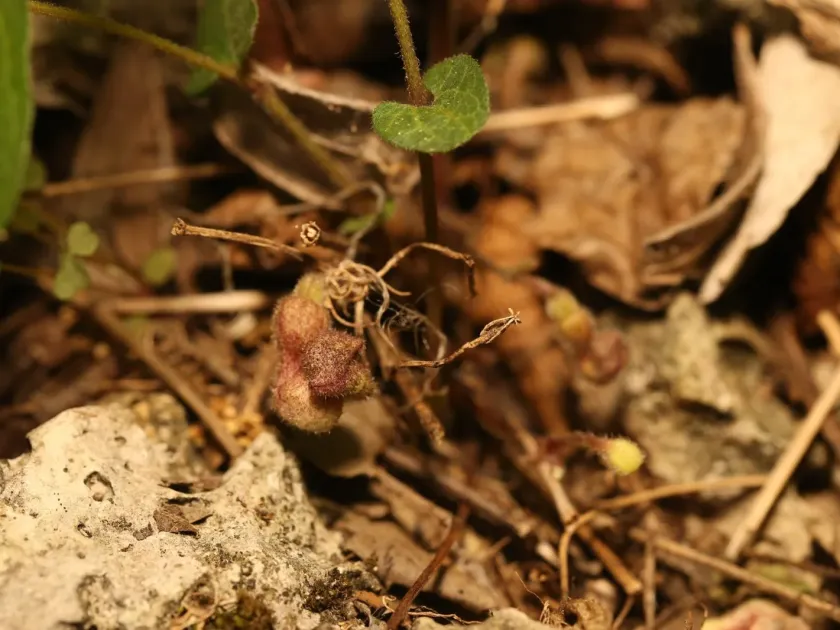
Description
Sowing dates
The sowing of Virginia snakeroot seeds is most successful when performed in late autumn, as the seeds require a period of cold stratification to break dormancy. Spring sowing necessitates cold treatment for at least 8 to 12 weeks to ensure viable germination rates.
Seeds should be sown at a shallow depth of approximately 1 to 2 centimeters in a well-prepared seedbed. Maintaining consistent moisture in the topsoil layer is essential during the emergence phase to prevent the delicate seedlings from desiccating.
Spacing between rows should be maintained at 45 to 60 centimeters. This provides sufficient area for root expansion and facilitates manual or mechanical weed management between the rows during the growing season.
Seedlings emerge slowly and are initially sensitive to environmental stressors. Providing light shade during the first few months of development can significantly improve plant survival rates in open-field conditions.
Vegetative propagation via root division during the dormant season is a preferred method for commercial nurseries, as it yields more robust plants compared to seed-based propagation methods.
Growing requirements
Virginia snakeroot is a herbaceous perennial belonging to the Aristolochiaceae family. It is native to the woodlands of North America, where it typically grows in rich, organic-rich forest soils.
The plant thrives in fertile, loamy soils that possess excellent drainage characteristics. It is intolerant of waterlogged conditions, which frequently lead to root rot and diminished overall plant health.
It prefers partial shade or dappled light conditions. In agricultural settings, it is best placed under shelter or in areas where it is protected from intense midday solar radiation, which can scorch the foliage.
Regular irrigation is required during the active growth phase, particularly in the mid-summer months. While the plant possesses moderate hardiness, consistent soil moisture promotes better biomass production.
- Soil type: Rich loamy, well-draining.
- Exposure: Partial shade.
- Watering: Consistent, avoid waterlogging.
Harvesting
The primary commercial interest in Virginia snakeroot lies in its rhizomes, which are harvested for pharmaceutical applications. The harvest is typically conducted on plants that are at least three to four years old.
The optimal time for harvesting is during the autumn season, after the onset of senescence in the aerial parts of the plant, when the concentration of active constituents in the rhizomes is at its peak.
Following harvest, the rhizomes must be carefully cleaned of soil and organic debris. Thorough washing is required, followed by the removal of any compromised tissue to ensure high-quality, pure raw material.
Drying of the harvested rhizomes must be performed in a shaded, well-ventilated area with temperatures kept below 45 degrees Celsius to prevent the degradation of heat-sensitive chemical compounds.
Processed material should be stored in a cool, dry, and dark environment to maintain its potency. Proper labeling and storage conditions are crucial for managing this plant due to its specific bioactive profile.