
Madeiran ivy
Hedera maderensis
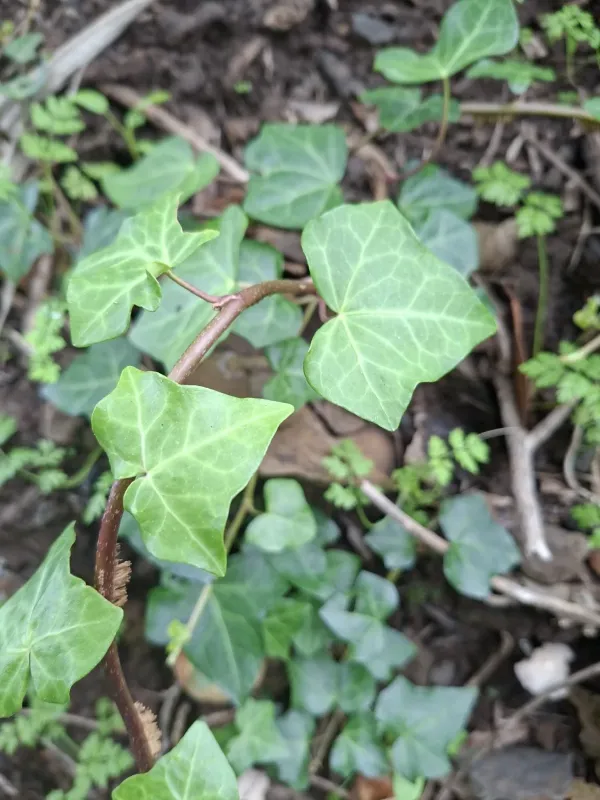
Description
Growing requirements
Madeiran ivy (Hedera maderensis) is a vigorous evergreen woody climber belonging to the Araliaceae family. Native to the Madeira archipelago, this species is well-adapted to humid oceanic climates and thrives in sheltered, shady environments.
The plant features large, leathery, dark green leaves that are often characterized by subtle light-colored venation. Its stems possess specialized adhesive roots, allowing it to scale vertical surfaces like stone walls, cliffs, or tree trunks with significant density.
For optimal growth, Madeiran ivy requires partial shade and protection from harsh, drying winds. It flourishes in rich, moisture-retentive, well-draining soil with a pH ranging from slightly acidic to neutral, requiring consistent moisture without being waterlogged.
Climatically, it is not frost-hardy and requires a mild climate to survive outdoors throughout the year. In temperate regions, it is typically cultivated in containers, enabling growers to relocate the plant to a sheltered location during the cold winter months.
Maintenance includes periodic fertilization during the growing season and regular pruning to manage its spread and maintain structural density. Pruning also helps in rejuvenating the plant and preventing it from becoming too woody or sparse at the base.
Main diseases and pests
Common pests affecting Madeiran ivy include spider mites and scale insects, especially when the plant is kept in environments with low air humidity. Regular inspection of the undersides of leaves and maintaining optimal humidity levels help in preventing widespread infestations.
Fungal issues, such as leaf spot and root rot, often occur due to excessive soil moisture or poor air circulation around the foliage. Treatment involves the use of appropriate fungicides and strict adherence to a balanced irrigation schedule to ensure healthy root development.