
Metapanax delavayi
Metapanax delavayi
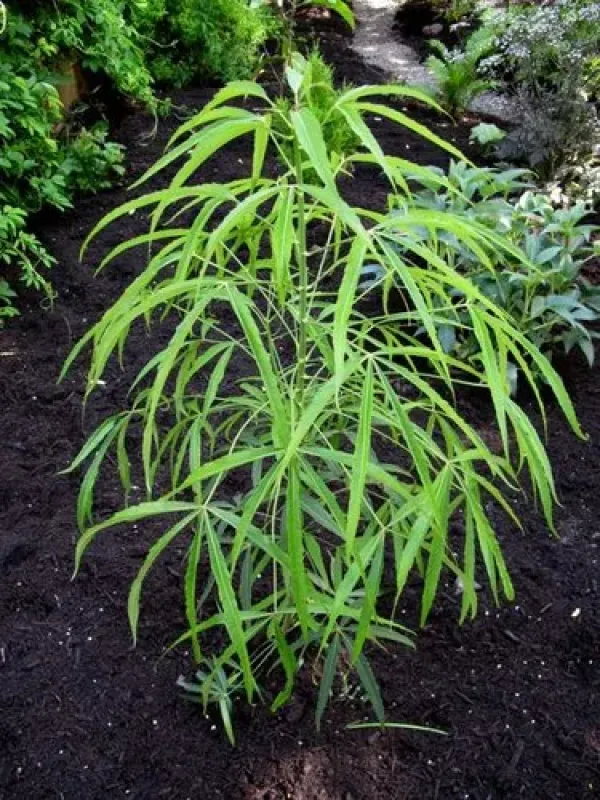
Description
Sowing dates
Metapanax delavayi seeds are typically sown in autumn, immediately after harvesting, to take advantage of natural chilling requirements. A cold stratification period of several months is essential to overcome seed dormancy and ensure uniform germination in the spring.
In nursery conditions, seeds are planted in a well-draining substrate composed of peat and perlite. Maintaining consistent moisture is critical during the stratification phase, ensuring the medium does not dry out or become waterlogged.
Once spring temperatures rise, the seeds begin to sprout. Seedlings should be kept in a protected environment, such as a cold frame or greenhouse, until they are large enough to be transplanted.
Pricking out the seedlings into individual containers allows for better root development. This stage requires careful handling of the delicate root system to minimize transplant shock and encourage vigorous growth.
Vegetative propagation via stem cuttings is also a common practice for gardeners wanting to reproduce specific traits, often carried out during the summer months with rooting hormones applied to the base of the cuttings.
Growing requirements
Metapanax delavayi is a member of the Araliaceae family that thrives in partial shade or filtered sunlight. Excessive direct exposure to hot afternoon sun can scorch the foliage, reducing the overall aesthetic value of the plant.
The ideal soil for this species should be fertile, loose, and possess excellent drainage characteristics. Heavy, clay-based soils that retain too much moisture should be amended with organic matter to improve aeration.
The plant prefers temperate climates with moderate humidity levels. While it can withstand occasional dips in temperature, severe frost requires protective mulching around the root crown to prevent significant tissue damage.
Watering must be regular and balanced; the plant performs best when the soil is kept consistently moist but not saturated. Overwatering is the most common cause of failure in cultivating this shrub.
Nutrient management involves applying a balanced, slow-release fertilizer at the beginning of the growing season to support the development of new leaves and stems throughout the year.
Main diseases and pests
The primary threats to Metapanax delavayi are soil-borne pathogens such as Phytophthora or Pythium, which cause root rot, especially in poorly drained sites. Using preventative fungicide applications can help maintain plant health.
Pest pressure is often limited to sap-sucking insects like spider mites during periods of high heat and low humidity. Regular inspection of the underside of leaves is recommended for early detection of infestations.
Aphids may occasionally target new, tender growth during the spring, which can stunt the development of the shoot tips. Targeted insecticidal sprays are generally sufficient to manage these populations effectively.
Environmental stress, including extreme wind exposure or erratic moisture, can make the plant more susceptible to opportunistic infections. Maintaining a healthy growing environment is the first line of defense.
Sanitary pruning of damaged or dead branches should be performed in early spring to improve airflow within the canopy and reduce the likelihood of fungal colonization in stagnant areas.