
Chinese heteropanax
Heteropanax chinensis
Description
Growing requirements
Chinese heteropanax (Heteropanax chinensis) is a perennial evergreen woody species belonging to the Araliaceae family. Native to the tropical regions of Southeast Asia, this plant is recognized for its unique structural characteristics and potential for both decorative and specialized utility.
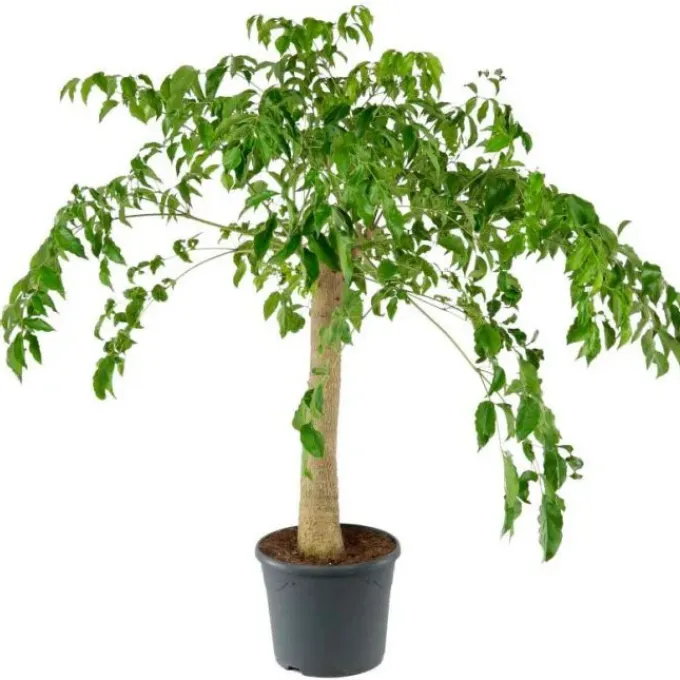
Botanically, the plant is characterized by large, pinnate leaves and a canopy that can spread significantly under optimal growth conditions. It follows a predictable growth pattern, developing woody stems that require consistent structural support in the initial stages of development.
The crop thrives in well-draining, nutrient-rich soils with a slightly acidic to neutral pH level. Proper drainage is essential to prevent waterlogging, which the root system of Heteropanax chinensis is particularly sensitive to during the active growing season.
Climatic requirements for this species are centered on stable, warm temperatures and high relative humidity. It is an exclusively tropical plant that lacks cold hardiness, necessitating controlled environments such as greenhouses or conservatories in non-tropical regions.
In agricultural and botanical contexts, Chinese heteropanax is valued for its potential in producing secondary metabolites, as well as its ability to enhance green space. Its role in forestry-related research continues to expand as scientists explore its physiological traits.
Main diseases and pests
Fungal pathogens represent the primary threat to the health of Chinese heteropanax. Root rot is a common occurrence, usually triggered by poor soil aeration or excess moisture, which compromises the integrity of the root system and leads to nutrient deficiency.
Common pests affecting this species include spider mites, aphids, and scale insects. These organisms thrive in sheltered indoor environments, especially when air circulation is inadequate, and they feed on the sap of the leaves and stems.
Effective management of these threats involves a combination of cultural practices, such as maintaining appropriate humidity and providing adequate spacing to improve airflow. Early detection of infestation is crucial for successful pest control.
Chemical control measures should be applied sparingly, targeting specific pests only when monitoring indicates a significant economic threshold. Integrated pest management strategies are preferred to maintain the long-term health and vitality of the crop.
Finally, ensuring that the plant is grown in sterilized soil and using clean pruning tools helps to mitigate the spread of soil-borne pathogens. A healthy, well-nourished plant is inherently better equipped to resist and recover from potential pest attacks.