
Heteropanax fragrans
Heteropanax fragrans
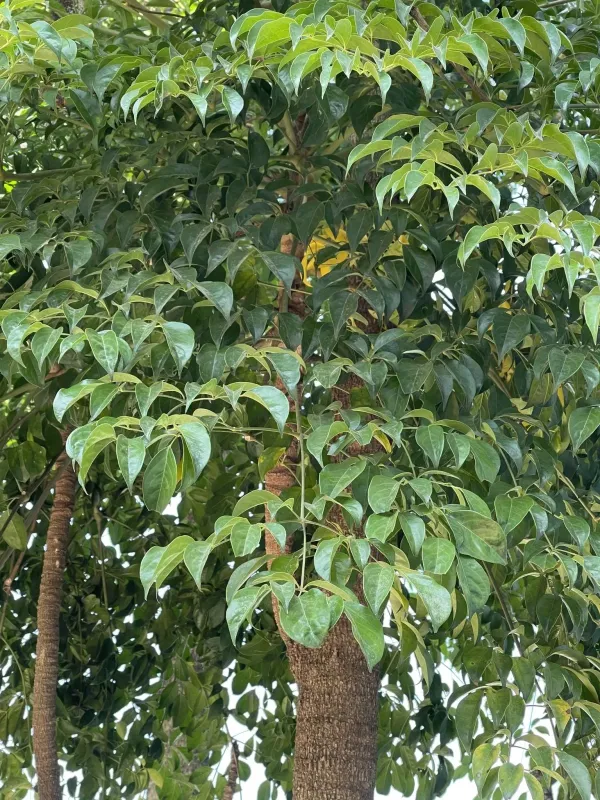
Description
Growing requirements
Heteropanax fragrans is a striking evergreen tree species belonging to the Araliaceae family. It is recognized for its robust growth habit and large, compound leaves that create a lush, tropical canopy in its natural environment.
The species is native to tropical regions across Southern and Southeastern Asia, including India and China. It thrives in humid forest habitats where high levels of rainfall and consistent temperatures support its rapid vegetative growth.
When cultivated, the plant requires a warm climate, ideally avoiding temperatures that drop below freezing. Bright, indirect light is essential for maintaining leaf health and preventing the plant from becoming leggy or stunted in growth.
The ideal soil profile for this species is well-draining, rich in organic matter, and slightly acidic to neutral in pH. Adequate drainage is crucial, as the root system is susceptible to decay if allowed to sit in waterlogged soil for extended periods.
Beyond its aesthetic appeal in landscapes, Heteropanax fragrans is valued for its potential in forestry and botanical collections. Research continues into the traditional use of its extracts in diverse pharmacological and practical applications.
Main diseases and pests
The most common pests affecting this species include mites, scale insects, and mealybugs. These pests frequently target the undersides of the leaves or stem junctions, necessitating regular monitoring and integrated pest management strategies.
Fungal infections, often manifested as root rot or leaf spots, are typically indicative of excessive moisture or poor aeration. Maintaining a balanced watering schedule and providing good airflow are the most effective measures to mitigate these risks.