
Symplocarpus nipponicus
Symplocarpus nipponicus
Description
Growing requirements
Symplocarpus nipponicus is a perennial herb belonging to the Araceae family. It is a moisture-loving species naturally occurring in the wetlands and shaded forests of Japan and the Korean Peninsula, exhibiting high adaptation to boggy conditions.
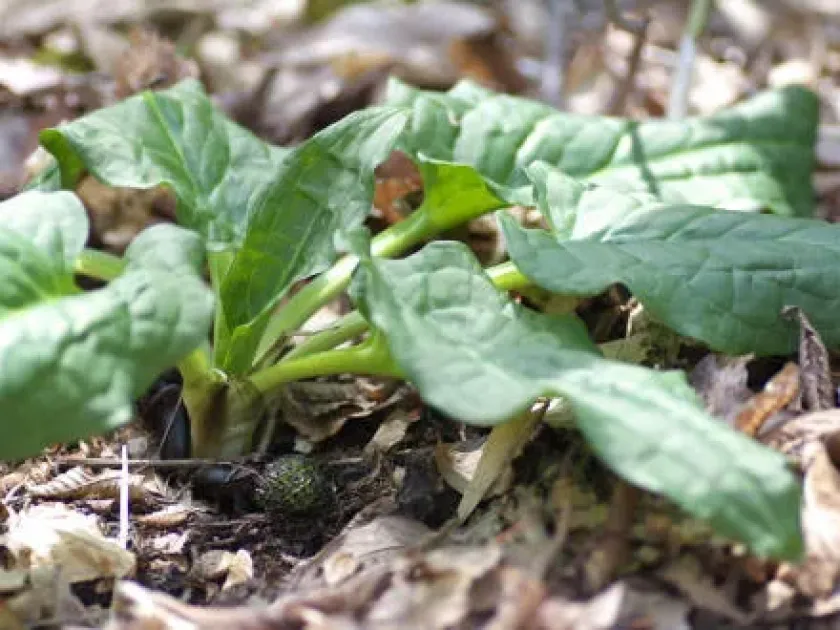
The plant is distinguished by its thermogenic properties, which allow it to produce heat during early spring, enabling the flower spadix to emerge through frozen ground or lingering snow. Its foliage is large, basal, and develops fully after the flowering period.
Cultivation requires specific environmental conditions, primarily high soil moisture and partial shade. The ideal substrate is a rich, humus-filled soil with a slightly acidic to neutral pH, which mimics the natural alluvial soil found in its native habitats.
In terms of landscaping, this plant is valued for its unique architectural form and early-season activity. It is highly suitable for rain gardens or boggy shoreline areas where other ornamental plants might struggle with excessive water.
Maintenance is relatively straightforward but requires consistency. Providing mulch to maintain soil coolness and moisture is essential during summer months to prevent dehydration of the root system, which is crucial for the plant's long-term survival.
Main diseases and pests
The species is generally hardy and robust, but it can be susceptible to fungal infections such as root rot if the soil becomes stagnant or poorly aerated. Proper site selection and drainage management are key to preventing these issues.
Slugs and snails are the primary pests that affect the health of the leaves, especially during the spring growth flush. Regular monitoring and the application of integrated pest management practices are recommended to preserve the integrity of the foliage.