
Shepherd's needle
Scandix pecten-veneris L.
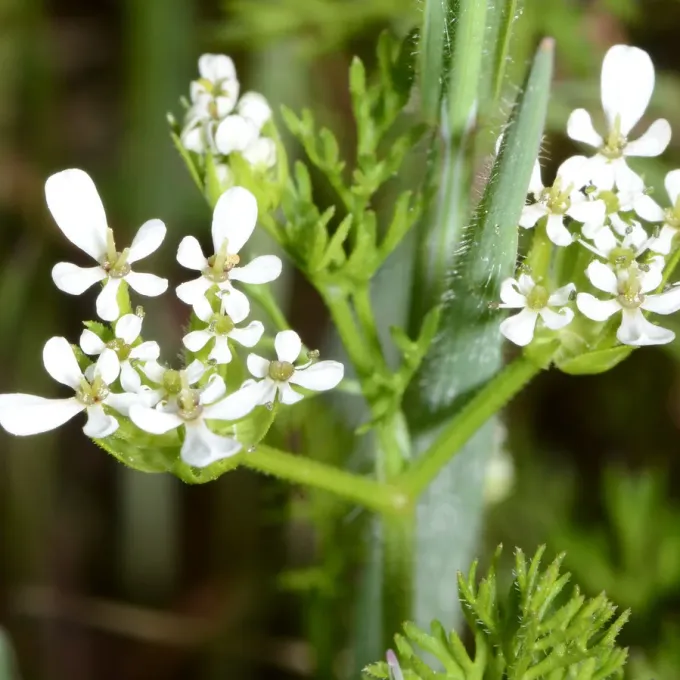
Description
Sowing dates
Shepherd's needle is an annual herbaceous plant that starts its life cycle in early spring. Optimal sowing takes place in March or April, as soon as the soil reaches temperatures suitable for germination.
The seeds require light cover, typically sown at a depth of 1-2 centimeters. Proper spacing between seeds is essential to prevent overcrowding and ensure that each plant receives sufficient nutrients.
In a field setting, rows should be spaced 20 to 30 centimeters apart. This layout allows for easier mechanical weed control and ensures adequate airflow throughout the growth cycle of the crop.
Temperature stability is crucial during the early stages of development. While the plant is hardy, young sprouts benefit from protected environments where they are safe from late-season frost events.
Consistent sowing depth and high-quality seeds are key factors for achieving a uniform stand. Once established, the plants grow rapidly, quickly covering the soil surface and suppressing other vegetation.
Growing requirements
This species thrives in sunny, open locations with good exposure to natural light. It is highly sensitive to shade, which often results in stunted growth and a significant reduction in seed production.
Well-drained, fertile soil is a requirement for this crop. It is particularly fond of loamy or sandy loam soils that do not retain excess water, as moisture-logged conditions can quickly lead to root rot.
Regarding soil chemistry, a neutral to slightly alkaline pH is ideal. The plant often benefits from the presence of calcium in the substrate, which supports sturdy stem development.
Although it is remarkably drought-tolerant once established, supplemental irrigation during the peak flowering and seed-set phase can substantially increase the final yield of the plant.
Good soil structure is maintained through occasional aeration and weeding. By keeping the growing environment clean, farmers can encourage deeper root penetration and more vigorous overall plant health.
Main diseases and pests
Fungal diseases like powdery mildew are the most common issues, especially in environments with high humidity and poor ventilation. Preventive measures include ensuring proper plant spacing to allow airflow.
Aphids and various bugs are known pests that feed on the foliage and developing inflorescences. Monitoring the crop periodically is necessary to prevent significant population spikes during the season.
Crop rotation is essential to avoid the build-up of specific soil-borne pathogens. Rotating out of the Apiaceae family for at least three years is a recommended agricultural practice.
Gray mold can affect the plants under damp conditions. Improving drainage and reducing excess moisture in the field are primary strategies to mitigate the risk of fungal decay in the stems.
Integrated pest management, including the encouragement of natural predators like ladybirds, is the preferred method to control pest populations without relying exclusively on harsh chemical interventions.