
Ptychotis saxifraga
Ptychotis saxifraga
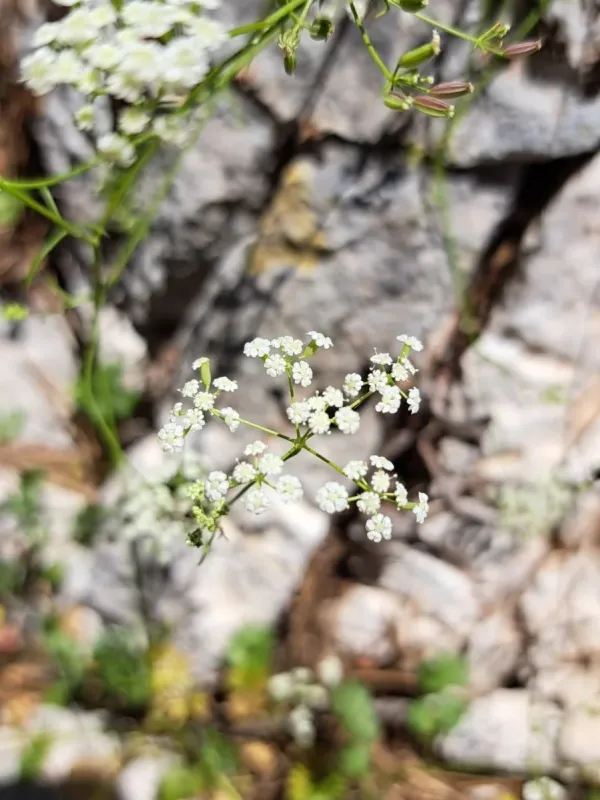
Description
Growing requirements
Ptychotis saxifraga is a perennial herbaceous plant belonging to the Apiaceae family. It is native to the Mediterranean region, where it naturally colonizes rocky limestone slopes and dry, open environments.
The plant features pinnate leaves and complex umbel inflorescences typical of the celery family. It grows to a moderate height and develops a deep taproot, which helps it access nutrients and moisture in arid soil conditions.
For optimal cultivation, it requires well-drained, alkaline or calcareous soils. Adequate sunlight exposure is critical for the development of essential oils, making it ideal for southern climates with long, sunny growing seasons.
The crop is highly drought-tolerant once established but needs careful management of soil moisture during the germination and seedling phases. It thrives in well-ventilated areas to prevent fungal development.
In agriculture, it is utilized primarily for its aromatic seeds, which are processed to extract essential oils used in the pharmaceutical industry and as high-quality flavoring agents in culinary applications.
Main diseases and pests
The plant is susceptible to fungal infections, particularly powdery mildew and crown rot, which are often exacerbated by poor drainage and inadequate airflow between individual plants.
Common agricultural pests include aphids and various species of lepidopteran larvae that target the flowering umbels and developing seeds, significantly impacting the final yield.
Disease management relies on preventive agricultural practices, such as maintaining proper plant spacing to ensure air circulation and implementing strict weed control measures.
Pest control strategies should focus on monitoring the crop during the flowering stage and using environmentally friendly interventions to mitigate insect damage.
Avoiding crop rotation with other Apiaceae species is recommended to prevent the buildup of soil-borne pathogens and specialized pests in the field.