
Mathiasella bupleuroides
Mathiasella bupleuroides
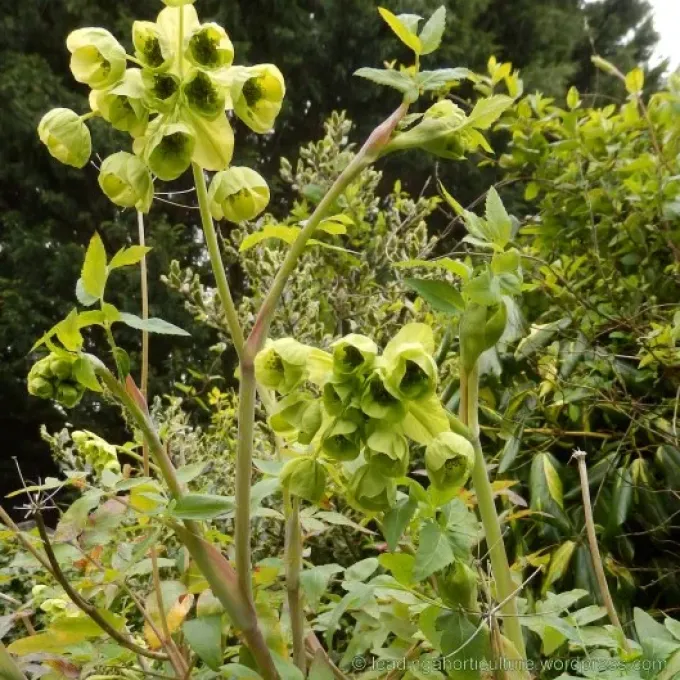
Description
Sowing dates
Sowing seeds of Mathiasella bupleuroides is most effective when done in the autumn, as the seeds require a period of cold stratification to germinate properly.
If sowing in containers, keep them in a cold frame or a refrigerator for several weeks to mimic natural winter conditions before moving them to a warmer area.
Germination is often slow and erratic, requiring patience from the gardener and stable moisture levels in the seed-starting mix.
Seedlings should be handled with great care due to their delicate taproot system, which is prone to damage during the transplanting process.
The best time to transplant young plants into the garden is late spring, ensuring the soil has warmed up and the risk of frost is minimal.
Growing requirements
Mathiasella bupleuroides belongs to the Apiaceae family and originates from the mountainous regions of Lebanon, which dictates its habitat needs.
This plant thrives in well-drained, fertile soil and cannot tolerate waterlogged conditions, which lead to rapid root rot in this species.
It prefers partial shade in hot climates, as the intense midday sun can scorch the foliage and reduce the overall lifespan of the plant.
In terms of soil acidity, it prefers neutral to slightly alkaline substrates, which should be kept consistently moist but never soggy.
Providing a thick layer of organic mulch around the base helps retain moisture and regulate soil temperature during extreme weather fluctuations.
Main diseases and pests
The primary threat to this species is fungal disease, particularly when planted in heavy soils with poor drainage or stagnant air conditions.
Root rot is the most common cause of failure, so careful monitoring of the soil moisture level is essential for successful long-term cultivation.
Aphids can occasionally infest the plant, especially when it is actively producing new flower stalks in the mid-spring growth cycle.
Slugs and snails are notorious for feeding on the lush leaves of the plant, potentially disfiguring the foliage if left uncontrolled.
Maintaining a clean garden bed by removing debris and weeds helps minimize the habitat for pests and potential fungal pathogens.