
Dethawia splendens
Dethawia splendens
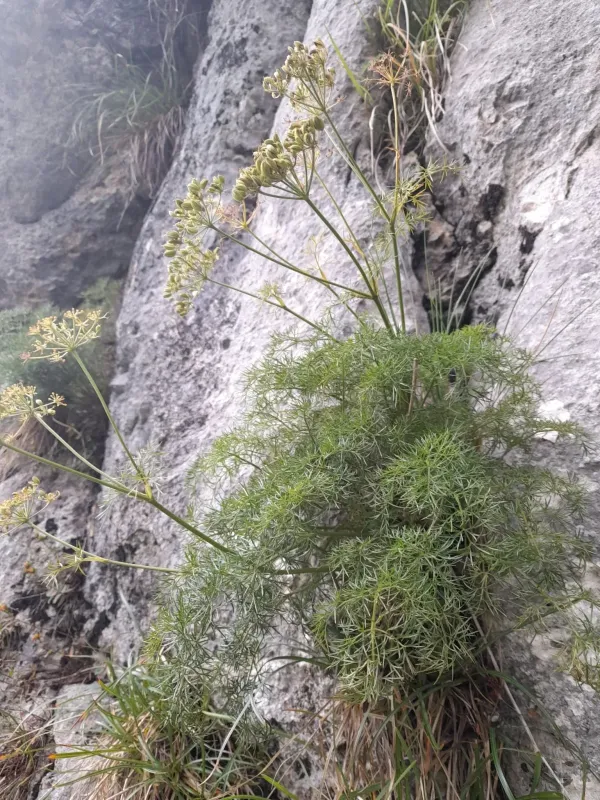
Description
Sowing dates
Dethawia splendens is a perennial plant primarily recognized for its status as a rare endemic species rather than an agricultural crop. It reproduces via seeds that mature during the short mountain summer.
Successful cultivation requires pre-sowing treatment, specifically cold stratification, to break seed dormancy. Seeds should be sown in a gritty, well-draining substrate to mimic the natural scree environment.
Surface sowing is essential as the seeds are light-sensitive. Covering them too deeply with soil will prevent germination. The sowing containers must be placed in a cool environment with good ventilation.
The development from seed is a slow process, reflecting the plant's adaptation to harsh high-altitude climates. Consistent moisture levels must be maintained during the initial stages of seedling development.
Transplanting seedlings is not recommended due to the sensitive nature of the root system. Once established, plants should remain in their permanent location to avoid root disturbance.
Growing requirements
Belonging to the Apiaceae family, Dethawia splendens is a specialized plant native to the Pyrenees mountains. It is biologically adapted to extreme conditions found in high-altitude rocky crevices.
The plant thrives in limestone-based soils, requiring a slightly alkaline pH to perform optimally. Drainage is the most critical factor; the root zone must remain dry during the winter dormancy period.
Climate requirements include high light intensity, cool summer temperatures, and high air humidity. It is an Alpine species that struggles significantly in lowland areas with hot, dry summers.
Nutrient requirements are minimal. High concentrations of nitrogenous fertilizers are detrimental, as they promote excessive growth and reduce the plant's natural hardiness and longevity.
Protection from invasive species and maintaining a low-competition environment are vital for the plant's survival. Its growth habit is typically compact, forming basal rosettes that persist through the season.