
Lesser water-parsnip
Berula erecta
Description
Growing requirements
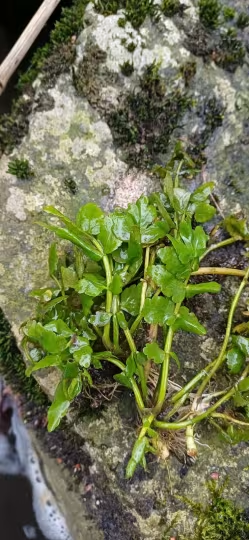
Lesser water-parsnip (Berula erecta) is a perennial herbaceous plant belonging to the Apiaceae family. It is typically found in wetlands, stream margins, and shallow water bodies. This plant acts as a vital component of the riparian zone, adapting well to hydromorphic conditions.
The cultural requirements center on consistent moisture availability. The soil should be nutrient-rich, preferably mucky or silty, to support the plant’s robust root system. Unlike traditional dry-land crops, it thrives in water-saturated environments where oxygen supply to the roots is maintained through steady water flow.
Regarding climatic needs, the species prefers temperate regions with high humidity levels. It performs best in areas where extreme fluctuations in water levels are minimized. Exposure to full sunlight is beneficial for vegetative development, although the plant can tolerate partial shade in high-temperature regions.
Cultivation practices involve site selection with stable hydro-regimes. Planting should be done in a way that allows for natural propagation while ensuring easy access for monitoring the biomass growth. Maintenance of clean, moving water is essential to prevent anaerobic soil conditions.
The economic use of Berula erecta is primarily tied to its ecological services, such as nutrient uptake and bank stabilization. It is also explored for its potential in creating buffer zones in agricultural runoff areas to improve water quality through biological filtration.
Main diseases and pests
Fungal pathogens, especially those thriving in stagnant or humid conditions, pose the primary threat to the crop. Mildew and various leaf spot diseases can rapidly degrade the foliage quality if the canopy becomes too dense and airflow is restricted.
Pests such as aquatic snails, larvae, and sometimes waterfowl can cause significant damage to young plants. Implementing integrated pest management (IPM) that respects the sensitive aquatic ecosystem is crucial for protecting the yields without chemical pollution.
Invasive weed species, particularly those common to wetland environments, often compete with the crop for space and sunlight. Regular manual maintenance is usually required during the establishment phase to ensure the crop gains a competitive advantage over opportunistic vegetation.
Water quality issues, including toxic accumulations or nutrient imbalances, can lead to stunted growth. Periodic testing of the surrounding water for heavy metals and pH levels ensures that the environment remains within the optimal range for the species.
Extreme weather conditions, such as unexpected flash floods or prolonged periods of drought, represent severe risks. Protective measures, including flow regulation systems, are often necessary to keep the crop environment within safe biological parameters.