
Anisotome aromatica
Anisotome aromatica
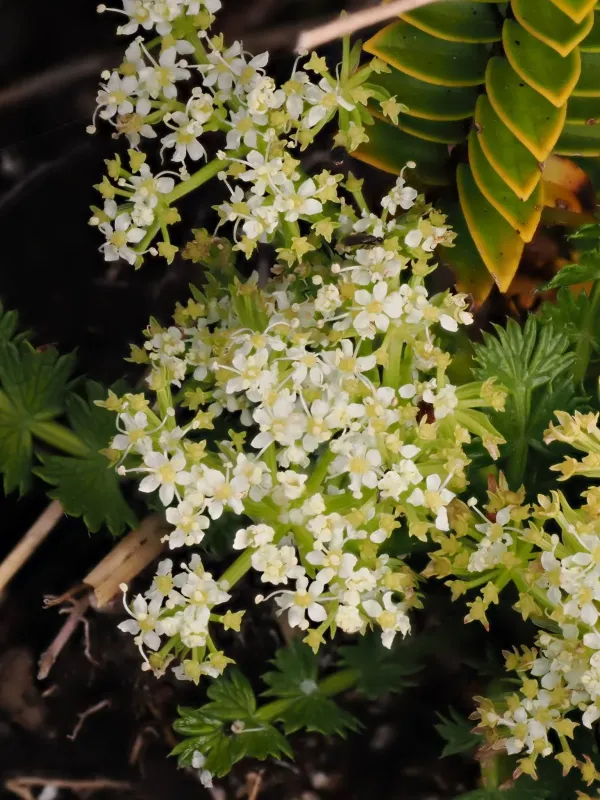
Description
Growing requirements
Anisotome aromatica is a perennial herbaceous plant belonging to the Apiaceae family. Native to New Zealand, this species is well-adapted to the cooler environments of alpine and subalpine meadows.
The plant is highly regarded for its aromatic properties, with leaves that produce a distinct scent. Botanically, it features a rosette-forming habit with intricate foliage and typical compound umbels characteristic of its family.
This crop thrives in cool, moist climates and requires well-drained, humus-rich soil. It is particularly sensitive to high temperatures and prolonged exposure to direct, intense heat, which can stunt its growth.
Agricultural success depends on providing a location that mimics alpine conditions, specifically regarding soil moisture management and atmospheric cooling. Proper drainage is essential to prevent root zone stress.
Its primary use is as an aromatic botanical, potentially finding a niche in specialized herb production or as a garden plant in climate-appropriate regions for those interested in New Zealand native flora.
Main diseases and pests
Root rot is the most significant threat to Anisotome aromatica. It is usually caused by overwatering or soil that lacks proper drainage, leading to the rapid decay of the taproot.
Slugs and snails present a constant threat to the foliage. Because the plant is often consumed or used in culinary contexts, physical pest barriers are preferred over chemical pesticides.
Aphids can infest the plant during the early growth stages. Frequent inspections are recommended to catch infestations before they cause significant damage to the floral structures.
Poor ventilation can lead to fungal leaf spots, especially in dense planting conditions. Proper plant spacing is necessary to ensure adequate airflow between individual specimens.
Soil-borne pathogens can be managed through crop rotation and maintaining a weed-free environment to prevent the buildup of moisture around the base of the plant.