
Friesodielsia latifolia
Friesodielsia latifolia
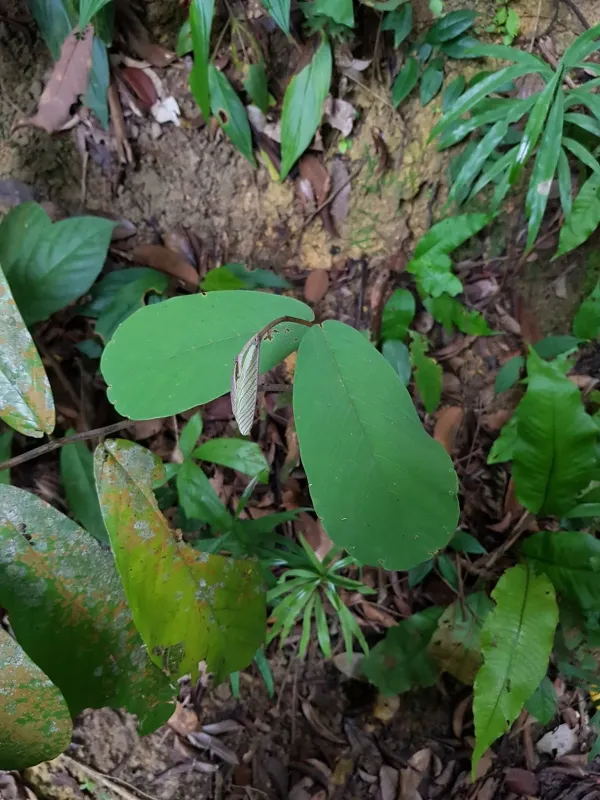
Description
Growing requirements
Friesodielsia latifolia is a woody vine belonging to the Annonaceae family, native to the tropical forests of Southeast Asia. It is known for its broad, leathery leaves and climbing habit.
The plant thrives in environments characterized by high ambient humidity and consistently warm temperatures. Frost or prolonged cold spells are detrimental to its development and survival.
Cultivation requires a well-draining, nutrient-rich potting mix with a slightly acidic to neutral pH level. The root system is sensitive to waterlogging, necessitating excellent drainage in containers.
In terms of light, the plant prefers filtered or indirect sunlight. Exposure to harsh, direct sunlight can cause leaf scorching and dehydration, especially in young plants.
Its хозяйственное use is primarily found in pharmacological research due to its secondary metabolites, though it is also valued as a rare botanical specimen in specialized collections.
Main diseases and pests
Root rot is the most significant threat, often resulting from improper watering practices and poor soil drainage that suffocates the root system.
Spider mites are common pests that thrive in the low-humidity indoor environments where this tropical plant might be kept, leading to yellowing and shedding of leaves.
Scale insects can also infest the stems, extracting sap and weakening the overall vigor of the plant, requiring manual removal or systemic treatments.
Fungal leaf spot diseases can occur if air circulation is insufficient, leading to dark, necrotic lesions that spread rapidly across the foliage.
Proactive management involves monitoring plant health, ensuring adequate spacing between individual plants, and maintaining a clean growing area to prevent infection.