
Dasymaschalon dasymaschalum
Dasymaschalon dasymaschalum
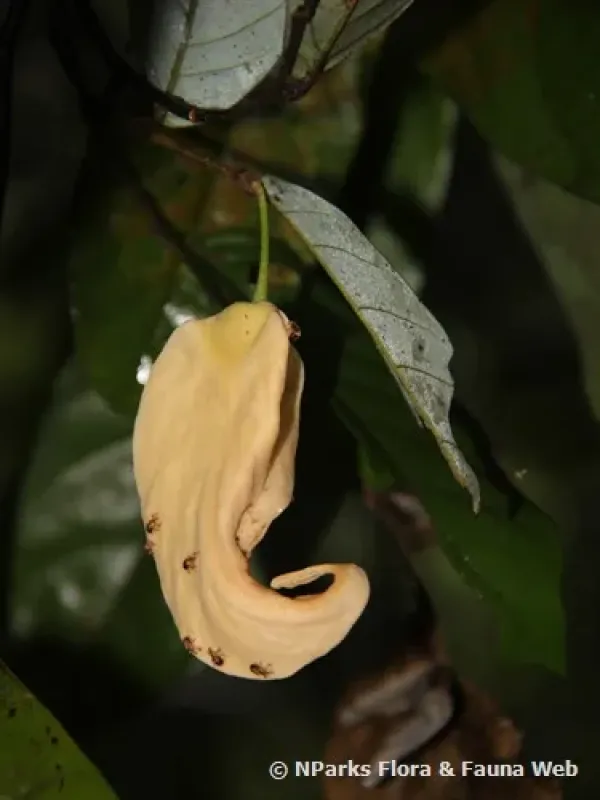
Description
Growing requirements
Dasymaschalon dasymaschalum is a tropical woody plant belonging to the Annonaceae family. It is native to the rainforest ecosystems of Southeast Asia, where it thrives under a closed forest canopy, benefiting from high humidity and stable temperatures throughout the year.
Cultivation requirements include a consistent tropical environment with temperatures strictly maintained between 22°C and 30°C. This plant is intolerant to cold, frost, or significant thermal fluctuations, which makes it unsuitable for outdoor cultivation in temperate regions.
The soil profile for this crop must be nutrient-rich, organic-matter-abundant, and exceptionally well-draining. While the plant loves moisture, waterlogging is detrimental, as it encourages rapid development of fungal pathogens in the root system.
Lighting conditions should simulate the dappled sunlight of a tropical forest. While mature plants can withstand higher light levels, young seedlings are prone to desiccation and must be shaded to ensure consistent vegetative growth.
In terms of agricultural use, Dasymaschalon dasymaschalum is primarily valued for its biological diversity and potential for phytochemical research. Local communities have historically utilized its flowers and fruit in traditional medicinal practices and local floral arrangements.
Main diseases and pests
Root rot is the most significant threat to this crop, usually caused by improper soil moisture management. It is essential to use a porous, aerated growth medium to avoid anaerobic conditions that favor fungal infection.
Common pests affecting this species include mealybugs and scale insects, which settle on the underside of leaves and along stems. Implementing an integrated pest management (IPM) strategy, including regular inspection and manual removal, is recommended for healthy crop development.