
Swintonia schwenckii
Swintonia schwenckii
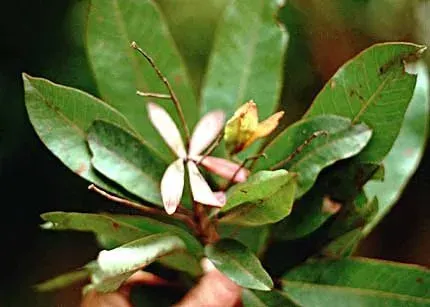
Description
Growing requirements
Swintonia schwenckii is a prominent evergreen tree species classified under the Anacardiaceae family. It is native to the tropical rainforests of Southeast Asia, where it thrives as a major canopy tree.
The species requires a climate characterized by high humidity and consistent, warm temperatures throughout the year. It does not tolerate frost or prolonged periods of extreme cold, which limits its distribution to the tropical belt.
Regarding soil requirements, this plant prefers deep, fertile, and well-drained substrates. While it can tolerate various soil types, maintaining proper drainage is essential to ensure healthy root development and prevent susceptibility to fungal diseases.
Botanically, Swintonia schwenckii is recognized for its robust trunk and large, leathery leaves typical of the Anacardiaceae family. The tree is known for its relatively slow growth rate, especially during the juvenile stage when it requires shade.
Forestry management for this species involves careful site selection and monitoring of ecological conditions. Ensuring enough light for maturing trees while protecting them from extreme weather remains a primary goal of silviculture in its native range.
Harvesting
The primary economic application of Swintonia schwenckii is the production of high-quality timber. It is highly valued for its mechanical properties, including strength and density, making it suitable for structural applications.
In local industries, the wood is frequently utilized for furniture manufacturing, internal construction, and specialized carpentry, where long-term durability is required.
Harvesting operations are typically governed by sustainable forestry guidelines to ensure that the cutting of mature trees does not negatively impact the local ecosystem or lead to habitat loss.
Post-harvest processing often involves kiln drying or air drying to stabilize the moisture content of the wood, which is crucial due to the inherently humid climate of the tropical regions where the tree originates.
Effective management includes monitoring for potential wood-boring insects and decay fungi that could diminish the quality of the harvested logs during storage and transit to processing facilities.