
Peruvian peppertree
Schinus molle L.
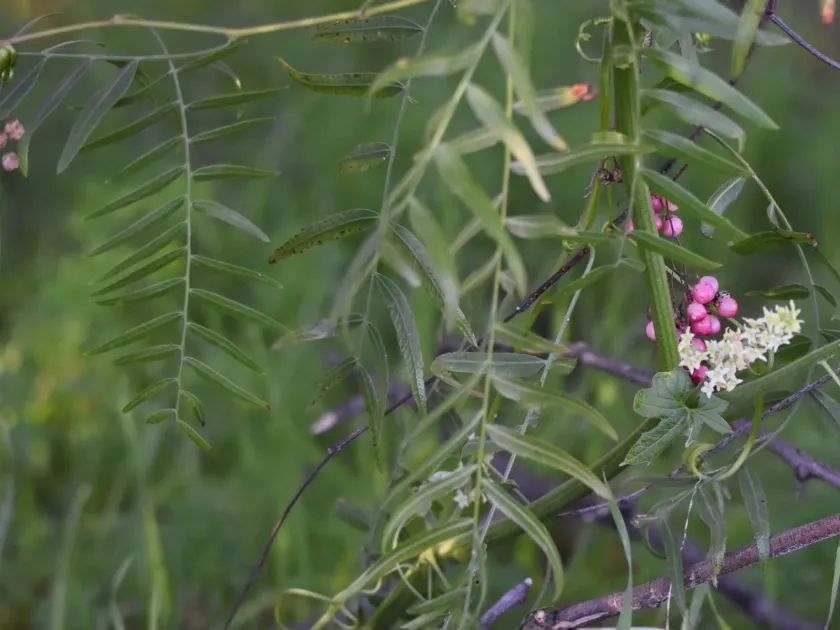
Description
Sowing dates
Propagation of Schinus molle is primarily achieved through seeds. Sowing is typically conducted in early spring using a well-draining, sterile seed-starting mix to prevent damping-off diseases.
Seeds should be soaked in lukewarm water for approximately 24 hours prior to planting to soften the seed coat and improve germination rates. They are sown at a shallow depth of about 1 centimeter.
The germination process requires warm temperatures, ideally between 20°C and 25°C. Keeping the soil consistently moist but not waterlogged is essential for successful seedling emergence.
Vegetative propagation via semi-hardwood cuttings taken during the summer months is another common method. Cuttings are treated with rooting hormones and placed in a misting environment to encourage root development.
Once seedlings or rooted cuttings have established a strong root system, they are transplanted into larger containers or prepared field sites, ensuring protection from extreme weather during the initial growth phase.
Growing requirements
The Peruvian peppertree is an evergreen species belonging to the Anacardiaceae family. It is highly valued for its adaptability to various environmental conditions, particularly in arid and semi-arid regions.
The tree thrives in full sun and prefers well-drained, sandy, or loamy soil types. It is remarkably drought-tolerant once established, making it suitable for water-wise landscapes and agricultural reforestation.
While Schinus molle prefers warm climates with temperatures between 18°C and 30°C, it possesses a degree of cold hardiness, surviving light frosts. However, prolonged freezing temperatures can cause significant tissue damage.
The tree requires minimal fertilization. In poor soils, a balanced, slow-release fertilizer can be applied in early spring to support vigorous growth and healthy foliage development.
Adequate spacing is crucial when planting for commercial production or ornamental use to ensure proper air circulation, which helps reduce the risk of humidity-related pathogens within the canopy.
Yield
The primary economic output of Schinus molle is its small, berry-like drupes, often marketed as pink peppercorns. Production begins once the tree reaches maturity, typically at 3 to 5 years of age.
An adult tree can yield several kilograms of dried peppercorns per season. The yield is heavily influenced by the amount of direct sunlight received and the tree's overall vigor during the growing cycle.
Harvesting is performed manually to ensure only mature, bright-colored fruits are collected. Following the harvest, the fruits undergo a drying process to reduce moisture content for shelf-stable storage.
Beyond culinary uses, the tree is a source of essential oils extracted from the leaves and bark. These oils are utilized in the cosmetic and pharmaceutical industries for their aromatic and medicinal properties.
Regular maintenance, including selective pruning of dead or crossing branches, optimizes canopy health and fruit production, leading to more consistent annual yields for commercial growers.
Main diseases and pests
Schinus molle is generally robust, but it can be susceptible to pests such as scale insects and spider mites, especially when grown under stressed conditions or in greenhouse environments.
Fungal issues, including root rot, occur predominantly in waterlogged soils. Ensuring proper drainage is the most effective preventative measure against these soil-borne pathogens.
Powdery mildew may affect the leaves during periods of high humidity and poor air circulation. Cultural practices like thinning the canopy can help maintain healthy airflow and mitigate this risk.
Mealybugs can also infest the tree, clustering in protected areas of the branches. Integrated pest management strategies, such as using horticultural soaps, are recommended for control.
Vigilance and regular inspection of the tree are key. By identifying pest infestations or disease symptoms early, growers can intervene quickly, preventing widespread damage and maintaining tree health.
Harvesting
The harvest period for pink peppercorns occurs when the fruits reach their characteristic rose-red color. This timing is critical to achieve the best flavor and oil content in the finished product.
Harvesting should ideally be conducted on a dry day to prevent mold growth during the initial processing stages. The fruit clusters are clipped carefully to avoid damaging the tree's stems.
Once harvested, the drupes are spread out in a dry, shaded, and well-ventilated location for drying. Proper airflow is essential to ensure uniform dehydration without compromising the quality of the spice.
After reaching the desired moisture levels, the peppercorns are sorted, cleaned, and packaged in airtight containers. This ensures the protection of the delicate essential oils and volatile flavor compounds.
Proper harvest management not only preserves the quality of the peppercorns but also ensures the longevity of the tree, allowing it to produce consistent yields for many years to come.