
Astronium fraxinifolium
Astronium fraxinifolium Schott
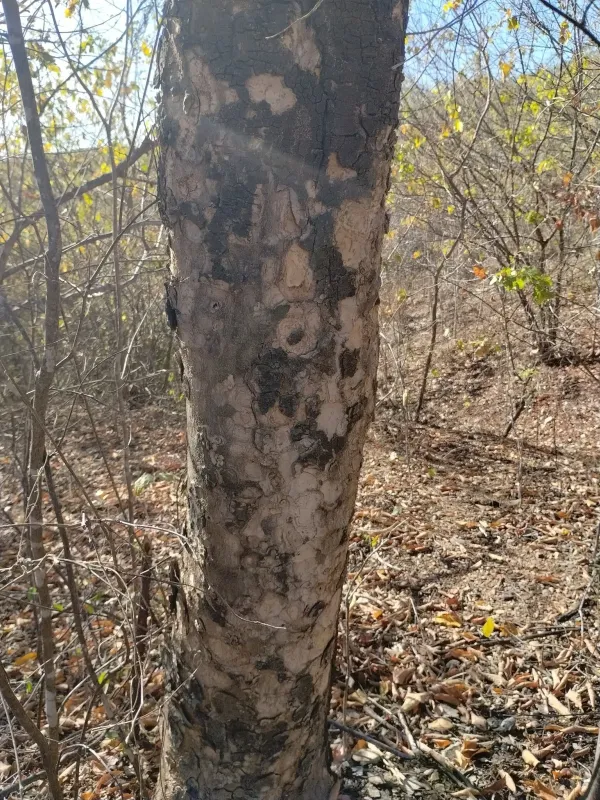
Description
Sowing dates
The propagation of Astronium fraxinifolium is primarily conducted via seeds collected from mature trees, which must be sown shortly after collection to maintain viability.
Nursery practices involve planting seeds in specialized beds with a balanced, well-draining substrate to optimize the germination rate and initial seedling health.
During the early growth phase, seedlings require careful light management, as they are sensitive to excessive direct exposure while they are establishing their root systems.
As a member of the Anacardiaceae family, this species grows into a large deciduous tree, necessitating sufficient space for its crown development during the plantation cycle.
Transplanting into the field is ideally performed at the onset of the rainy season, allowing the root system to adapt to the new soil environment before the dry season begins.
Growing requirements
This species is well-adapted to tropical climates with distinct wet and dry seasons, thriving in temperatures that consistently remain between 22°C and 28°C.
Astronium fraxinifolium prefers deep, fertile soils that offer excellent drainage, as the species is highly susceptible to root damage caused by prolonged waterlogging.
The tree is considered a light-demanding species, meaning that its growth rate and stem quality are highly dependent on adequate exposure to sunlight throughout the day.
Maintaining soil moisture during the first few years after planting is essential for survival, although adult trees demonstrate significant resilience to seasonal drought.
Agronomic management practices focus on weed control in the plantation and the removal of side branches to ensure the development of a straight, high-quality timber log.
Yield
The main yield from Astronium fraxinifolium is its highly sought-after timber, known commercially as goncalo alves or tigerwood, which is prized for its high density.
The wood is characterized by its exceptional durability, hardness, and striking patterns, making it a premium choice for high-end furniture and decorative flooring.
Growth rates vary depending on site quality, but typically, trees reach harvestable timber dimensions after several decades, requiring long-term management strategies.
In addition to timber, the species contributes to environmental services, including carbon sequestration and the improvement of soil structure in managed agroforestry sites.
The economic value of this culture is bolstered by the global demand for exotic hardwoods that offer superior structural performance and aesthetic appeal.
Main diseases and pests
The primary threats to this species include fungal root pathogens which can rapidly spread in poorly drained areas or during seasons of excessive rainfall.
Defoliating insects can occasionally cause significant damage to young saplings, potentially stunting growth and increasing the duration of the juvenile phase.
Stem borers pose a serious risk to timber quality, as their galleries can cause internal defects in the wood, drastically reducing the market value of the harvested logs.
Effective management includes regular sanitary inspections to detect early signs of infestation and the implementation of appropriate silvicultural measures to maintain tree vigor.
Physical injuries to the bark during maintenance activities must be minimized to prevent the entry of wood-decay fungi, which can compromise the tree's health long-term.