
Gossypeanthus
Gossypeanthus
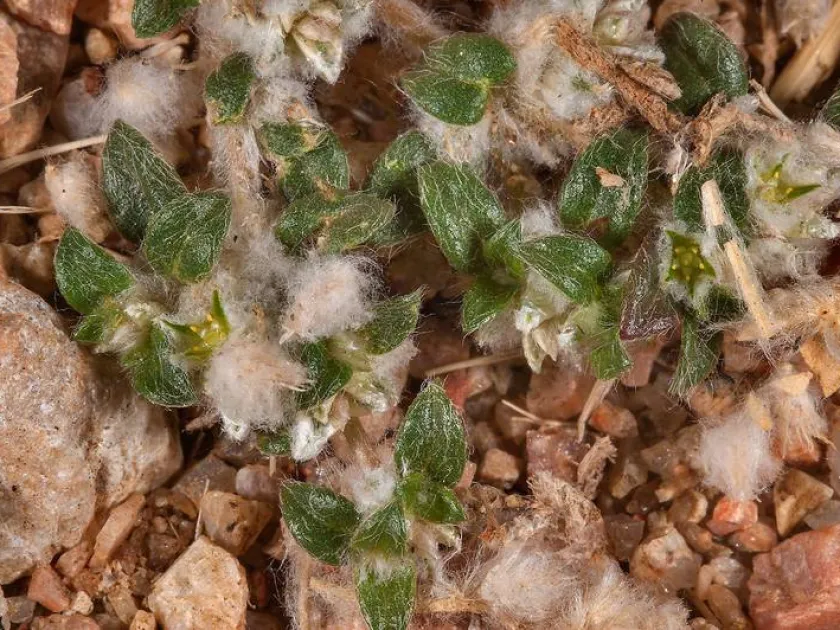
Description
Sowing dates
Gossypeanthus (Gossypeanthus) is a botanical genus belonging to the Amaranthaceae family. These plants are adapted to specific ecological niches, which defines their cultivation requirements.
Sowing should be initiated when soil temperatures consistently reach 18°C. This ensures rapid germination and minimizes the risk of rot during the early stages.
Seeds are best sown at a shallow depth of 1-2 cm. Precision sowing is recommended to maintain uniform stand density, which is essential for efficient nutrient uptake.
Preparation of the seedbed involves fine-tuning soil structure. It must be loose and free of large clods to allow the small root systems to penetrate easily.
Depending on the region, early spring sowing is often the most successful strategy to take advantage of remaining soil moisture before the summer heat intensifies.
Growing requirements
This crop thrives in full sun exposure. High light intensity is crucial for the development of the plant's robust structure and metabolic efficiency throughout its life cycle.
Soil requirements focus on alkalinity and drainage. Gossypeanthus is generally resilient, but it performs best in well-drained, sandy loam soils with moderate fertility.
Water management is critical. While the plant shows some drought tolerance, supplemental irrigation during critical growth stages significantly increases overall biomass.
The optimal temperature range is between 20°C and 28°C. Excessive heat can stress the plants, necessitating increased water frequency to maintain turgor pressure.
Regular fertilization should focus on phosphorus and potassium to strengthen tissue development. High nitrogen levels can sometimes lead to weak growth and increased disease risk.
Main diseases and pests
Common threats to the crop include sap-sucking insects that target new shoots. These pests can cause significant damage if populations are not managed early.
Root pathogens are a major concern in heavy or poorly drained soils. Fungal infections can quickly compromise the plant's ability to transport nutrients.
Integrated Pest Management (IPM) is the recommended approach. This includes monitoring for early symptoms and applying biological controls where possible.
Maintaining a clean field free of reservoir weed species is vital. Many weeds act as alternative hosts for the viruses and insects that affect this culture.
Early intervention is the key to preventing widespread outbreaks. Regular scouting of the fields should be conducted during the active growth phase.