
Chenopodioideae
Oxybasis chenopodioides
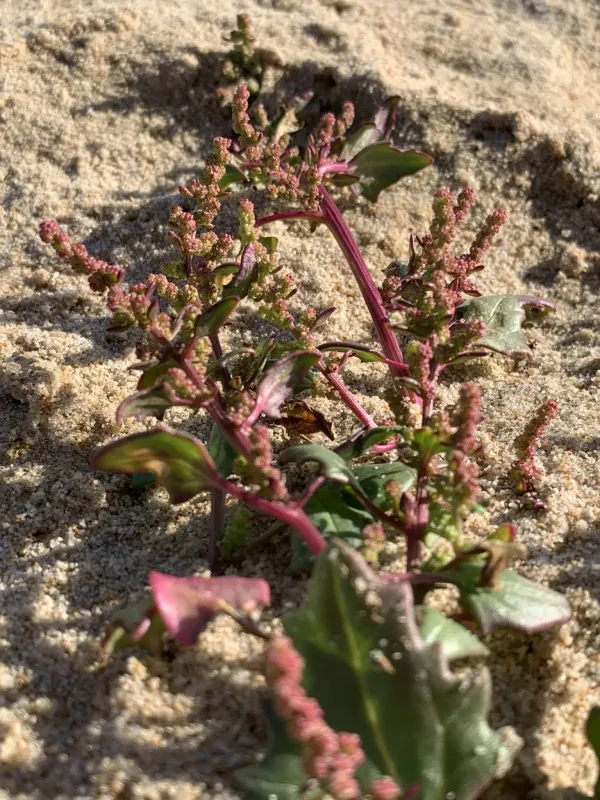
Description
Sowing dates
The optimal sowing time for Oxybasis chenopodioides occurs when the soil warms up to 10–12 degrees Celsius. Being a heat-loving species, delaying sowing is discouraged to ensure steady seedling emergence and growth.
Seeds are sown in rows with spacing of approximately 30–45 centimeters. This layout provides the crop with optimal growing space and facilitates easier mechanized soil maintenance throughout the season.
The seeding depth should be minimal, ranging from 1 to 2 centimeters. Over-compaction of the soil above the seeds can negatively impact germination, so light rolling after planting is recommended.
In natural settings, the plant often reproduces via self-seeding; however, in cultivation, controlling stand density is crucial. Excessive density suppresses plant development and reduces total biomass yield.
Oxybasis chenopodioides exhibits high germination energy, with sprouts typically appearing within 7–10 days. This trait makes the crop competitive against weeds during the early developmental stages.
Growing requirements
This crop prefers open, well-lit areas. It is sensitive to shading, which causes the plants to become spindly and results in a significant reduction in overall quality and nutrient concentration.
The species has moderate soil requirements but thrives best in fertile, loamy, and moisture-retentive substrates. Notably, the plant demonstrates high tolerance to saline soils, a rare botanical advantage.
Adequate hydration is a key factor for success. While the plant can survive drought stress, its growth rates slow down, and supplemental irrigation is recommended during peak heat for maximum yield.
Root system aeration is equally vital. In heavy clay soils prone to crusting, regular cultivation between rows is necessary to improve gas exchange, which enhances the plant's metabolic health.
Neutral soil pH is ideal for optimal nutrient uptake. The application of organic fertilizers prior to sowing significantly boosts vegetative growth, making it a viable option for forage production.
Yield
Yield performance is directly linked to the level of agronomic management and regional climatic conditions. With proper care, the crop can provide consistent and high-quality green biomass.
Intensive cultivation practices allow for multiple harvests within a single growing season. This makes the plant a promising supplemental green forage source for various livestock sectors.
The biological value lies in its high protein and mineral content. Biomass yield can reach impressive figures, especially when supported by consistent irrigation and nitrogen-based fertilizer regimes.
For best results, harvesting should occur before the onset of the active flowering phase. This timing ensures the stems remain tender and increases the digestibility of the harvested material.
Harvest residues decompose rapidly, making the plant an excellent green manure candidate that enriches the soil with organic carbon and essential nutrients for subsequent crop rotations.
Main diseases and pests
Like many members of the Amaranthaceae family, this plant is susceptible to specific fungal diseases, particularly downy mildew and powdery mildew, which flourish under high-humidity conditions.
Pests such as aphids and various weevils can cause damage to the foliage. Integrated pest management, including the use of biological controls, is effective in maintaining plant health.
Poor crop rotation practices lead to the accumulation of soil-borne pathogens causing root rot. A minimum three-year interval before returning the crop to the same field is strongly advised.
Weed competition during the early vegetative stage can significantly stunt growth. Timely weeding is also essential to prevent the spread of viruses that are often hosted by common field weeds.
Protective measures include ensuring optimal planting density and adequate spacing. Well-ventilated fields are significantly less prone to epidemics, making good agronomic design the primary defense tool.
Harvesting
Harvest timing must be strictly synchronized with the plant's growth stage. Maximum nutrient content is reached at the budding stage, which serves as the signal to initiate the cutting process.
Standard mowing equipment should be adjusted to a cutting height of 5–7 centimeters above the soil. This height allows for faster regrowth of the secondary shoots, provided moisture is available.
Harvested material must be processed or dried immediately, as the high moisture content of the leaves makes the crop prone to spoilage and heat build-up if stored in large piles.
If seeds are the target, harvest is delayed until full maturity, indicated by the browning of the inflorescences. Harvesting during cool morning or evening hours helps prevent seed shattering losses.
Seed storage requires drying to a moisture level below 12 percent. This ensures viability for future seasons and effectively prevents fungal growth and spoilage in storage containers.