
Oxybasis macrosperma
Oxybasis macrosperma
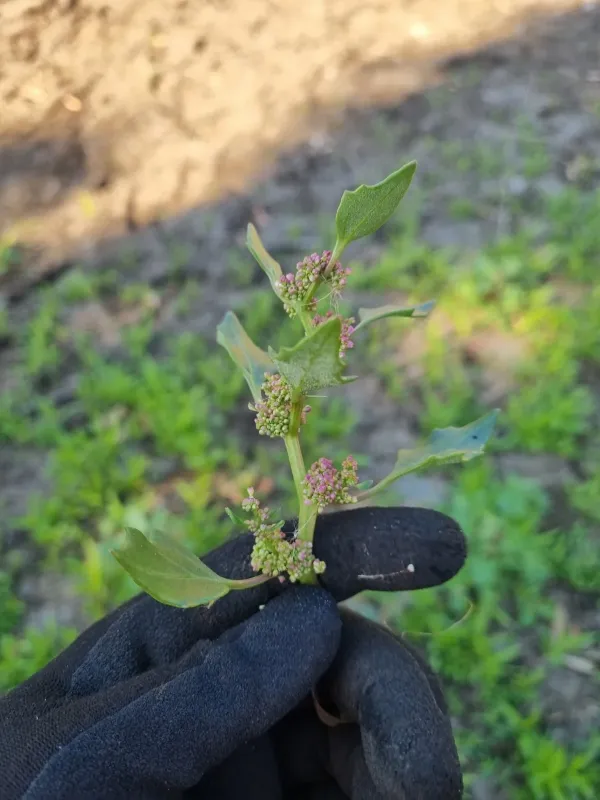
Description
Sowing dates
Oxybasis macrosperma is an annual herbaceous plant belonging to the Amaranthaceae family. It is increasingly recognized in sustainable agriculture due to its hardiness and ability to thrive in diverse environmental conditions.
The sowing season typically begins in early spring, once the soil has warmed sufficiently to support germination. Seeds are sown at a shallow depth of 1-2 cm to ensure rapid emergence and establishment of the seedlings.
Standard agronomic practice involves planting in rows spaced 30-45 cm apart, which optimizes air circulation and allows for mechanical weeding. This spacing is critical for maximizing biomass yield in field conditions.
The crop demonstrates excellent initial vigor, quickly forming a canopy that shades the ground. This characteristic reduces the competitive pressure from weeds and minimizes the need for synthetic herbicides.
Proper soil preparation, including creating a fine tilth and firming the seedbed, is essential for uniform germination. In cooler regions, growers may opt for slightly later sowing to avoid the risk of late spring frosts.
Growing requirements
Oxybasis macrosperma is highly adaptable to various soil types, including those with moderate salinity levels. It performs best in well-drained, fertile soils with a pH ranging from neutral to slightly alkaline.
The plant exhibits significant drought tolerance thanks to its robust taproot system. While it can withstand dry periods, consistent moisture during the vegetative growth phase leads to superior yields of both foliage and seeds.
As a sun-loving species, this crop requires open, well-lit locations to reach its full development potential. Excessive shade results in weak, spindly plants and reduced photosynthetic capacity.
Nutrient requirements are moderate. Incorporating organic matter prior to sowing provides a slow-release source of nutrients that supports healthy growth throughout the season.
Climate adaptability is one of the crop's strengths. It is resistant to temperature fluctuations, making it a reliable option for farmers operating in regions with variable weather patterns during the growing season.
Main diseases and pests
Fungal pathogens such as downy mildew can pose a risk during periods of high humidity. Maintaining proper spacing and ensuring good drainage are primary strategies for preventing these outbreaks.
Pests including aphids and certain types of leaf-miners can affect plant vitality. Early detection through regular crop scouting is essential for implementing effective management practices.
Integrated Pest Management (IPM) techniques, including the use of biological control agents, are highly recommended to keep pest populations below the economic injury level.
Crop rotation is fundamental to reducing disease pressure. Avoiding monocultures and rotating with non-related species helps break the lifecycle of soil-borne pathogens and insect pests.
Maintaining a balanced ecosystem on the farm encourages beneficial insects that act as natural predators to common pests, thereby creating a more stable and resilient agricultural environment.
Harvesting
Harvesting is typically performed once the seeds have reached physiological maturity, characterized by a change in seed coat color and hardening of the grains. Depending on the use, the timing may vary.
For grain production, it is important to harvest before the seeds shatter due to over-ripeness. Specialized machinery, such as grain combines with adjusted settings for small seeds, is commonly used.
When grown for forage, the harvest occurs earlier, usually before flowering, to maximize the protein content and digestibility of the green biomass.
Post-harvest handling is critical for grain storage. The seeds should be dried to a moisture content of 12-14% to prevent molding and ensure long-term stability in storage facilities.
Efficient cleaning and sorting processes allow for the removal of chaff and other impurities, resulting in a high-quality product suitable for further processing or commercial sale.