
Cyathula cylindrica
Cyathula cylindrica
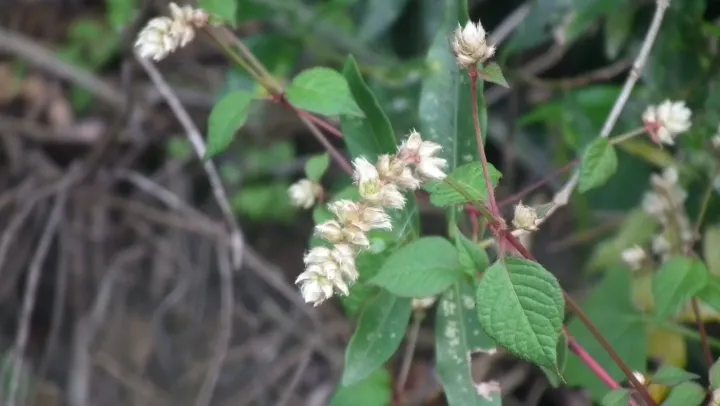
Description
Sowing dates
Cyathula cylindrica, belonging to the Amaranthaceae family, is a tropical perennial plant that requires stable warm temperatures for successful seed germination. The optimal sowing time in regions with a favorable climate is the beginning of the rainy season or spring, when soil temperatures consistently remain above +20°C.
When cultivating in nurseries or greenhouses, seeds are sown in a prepared substrate with high organic content. It is essential to practice shallow sowing, as the small seeds of Cyathula require sufficient light to trigger the germination process.
In natural habitats, Cyathula shows high germination energy under conditions of high air humidity. Agronomists recommend a preliminary seed stratification for several days to increase the overall germination rate of the sowing material.
After the first shoots appear, thinning is necessary to ensure optimal plant density. Stand density directly impacts the development of the root system, which serves as the primary medicinal part of this crop for pharmaceutical purposes.
When using the transplanting method, seedlings should be moved to the open field once they reach the 4-5 true leaf stage. This allows the crop to adapt faster to field conditions and form a robust stem.
Growing requirements
This crop prefers light, well-drained loamy or sandy soils with a neutral or slightly acidic pH. Waterlogging is detrimental to the Cyathula root system, making the selection of sites with deep groundwater levels critically important.
The plant is light-loving; therefore, open, well-illuminated fields are necessary for high-quality produce. Under shaded conditions, the content of bioactive compounds in the roots significantly decreases, which negatively impacts the market value of the harvest.
Climate requirements are restricted to tropical and subtropical zones. The plant is highly sensitive to frost: at temperatures below zero, the aerial parts die off, and the rhizome can rot if soil moisture is excessive.
During the growing season, Cyathula requires regular irrigation, especially during the active stem growth phase. Despite its tolerance to brief dry spells, agronomists recommend maintaining soil moisture at 60-70% of field capacity to ensure maximum productivity.
Mineral nutrition must be balanced, with an emphasis on potassium and phosphorus fertilizers, which help strengthen the root system. Nitrogen fertilization should be restricted in the second half of the season to encourage the translocation of nutrients into the root.
Main diseases and pests
Cyathula cylindrica is susceptible to fungal diseases, such as root rot, which occurs when water management is poor. Prevention involves proper crop rotation and the application of fungicides during the early growth stages.
The main pests are sucking insects like aphids and spider mites, which can damage leaves during dry periods. Using biological insecticides allows for effective control of insect populations without compromising the quality of the herbal raw material.
High humidity conditions may lead to the development of powdery mildew. Regular ventilation of plantings and the removal of weeds, which act as intermediate hosts for fungal spores, are mandatory measures for maintaining plantation health.
Soil pest larvae, such as mole crickets and wireworms, pose a serious threat to Cyathula roots. Deep plowing before planting and the use of traps to monitor and control pest populations are recommended.
Poor harvesting and drying techniques can lead to mold growth on the final product. Roots should be stored in areas with low humidity and good ventilation to prevent post-harvest spoilage.
Harvesting
The main product is the root of the Cyathula, which accumulates medicinal components throughout the growing season. Harvesting is carried out in the second year of the plant's life, when the concentration of active ingredients reaches its peak.
The harvesting technology involves mechanized undercutting of the roots to a depth of 30-40 cm. It is important to avoid mechanical damage, as wounds allow pathogens to enter, which reduces the quality of the raw material during the drying process.
After extraction, the roots are thoroughly cleaned of soil and washed with running water. Prolonged soaking should be avoided, as it causes the leaching of water-soluble active components.
Primary processing includes sorting and cutting the roots into the required size fractions. The optimal drying method is forced ventilation at temperatures not exceeding 50°C, which helps preserve the plant's chemical composition.
The final dry raw material should have a moisture content of no more than 12%. Packaging is performed using paper or fabric bags that allow for air circulation and protection from direct sunlight during transportation to processing facilities.