
Cremnophyton lanfrancoi
Cremnophyton lanfrancoi
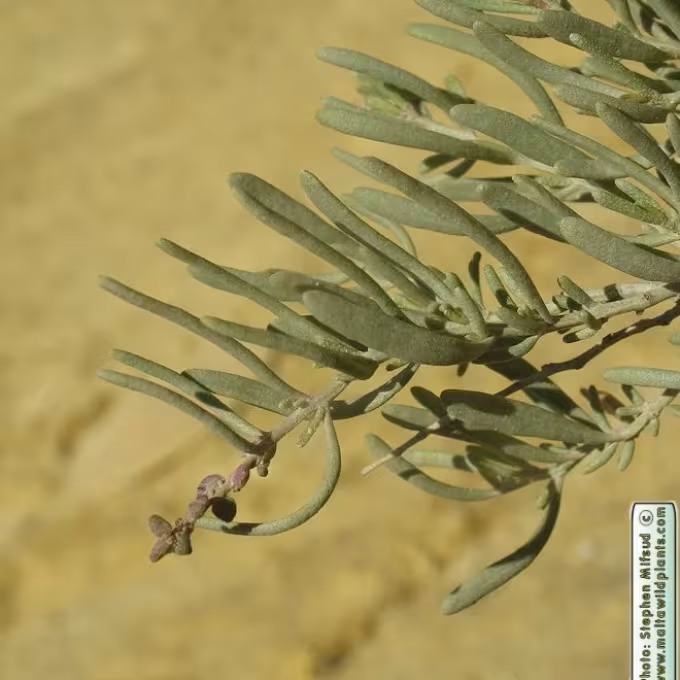
Description
Growing requirements
Cremnophyton lanfrancoi is an extremely rare endemic plant belonging to the Amaranthaceae family. This species represents a monotypic genus, making it a unique subject for botanical research and preservation efforts.
The natural distribution area of this plant is restricted solely to the rocky cliffs of the Maltese archipelago. Its natural habitat consists of specific limestone precipices, where the culture has adapted to extreme conditions of salinity and high wind pressure.
The plant demonstrates high resilience to the scarcity of soil substrate. It grows in rock crevices where a full-fledged fertile layer is virtually absent, subsisting on minimal amounts of organic matter and moisture.
Due to its narrow specialization, the plant requires a specific Mediterranean climate with mild, humid winters and dry, hot summers. It is highly sensitive to changes in soil composition and cannot tolerate the artificial application of intensive mineral fertilizers.
To date, Cremnophyton lanfrancoi is not considered an agricultural crop in the traditional sense. Its economic significance is limited to scientific studies, the preservation of biodiversity, and its status as a protected natural object.
Main diseases and pests
The main threat to the survival of the population is invasive plant species that gradually displace the endemic from its habitual niches. Competition for scarce resources has become a critical factor.
Anthropogenic factors also have a significant impact: the destruction of the coastline, construction, and excessive tourist traffic in growth areas negatively affect the population.
Climate change, leading to abnormal droughts, disrupts vegetation and reproduction cycles. A lack of precipitation during key developmental stages reduces the survival rate of young seedlings.
Pests typical for related species can infest the plant when cultivated in botanical gardens. Sucking insects, such as aphids and mites, pose a particular danger as they damage plant tissues.
Fungal diseases, caused by excessive humidity with poor ventilation, can lead to the rotting of the root system. Strict adherence to phytosanitary protocols is necessary for the species' conservation.