
Sanford's arrowhead
Sagittaria sanfordii
Description
Growing requirements
Sanford's arrowhead (Sagittaria sanfordii) is a perennial aquatic plant belonging to the Alismataceae family. It is a specialized hydrophyte adapted to shallow freshwater environments, typically found in areas with slow-moving water or wet muddy substrates.
The species is endemic to California, USA, where its natural distribution is tied to specific seasonal wetland conditions. It thrives in temperate zones where water levels remain relatively stable throughout the main growing season, allowing for robust root development.
Cultivation requirements include a nutrient-rich, silty soil base and ample sunlight exposure. Unlike typical agricultural crops, it must be grown in saturated or submerged conditions, making water management the most critical factor in its successful maintenance.
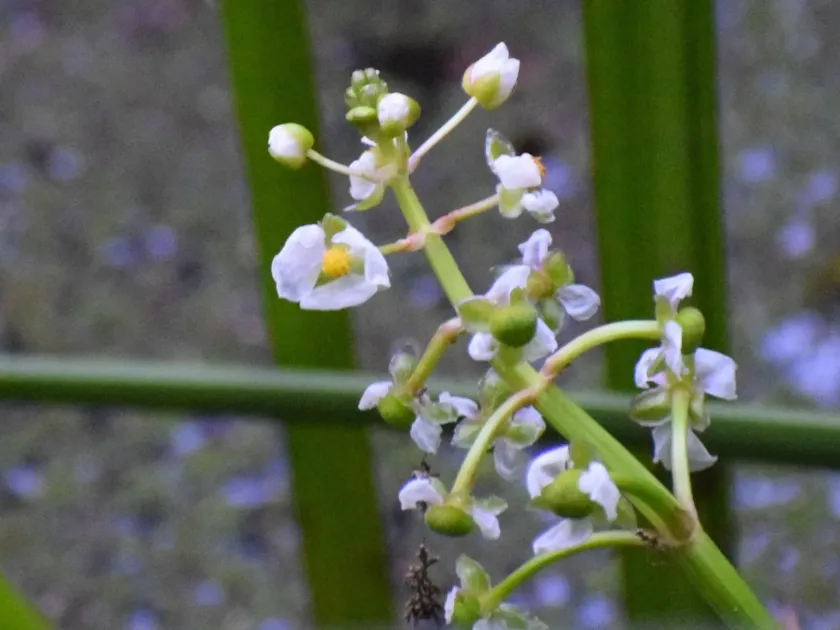
Botanically, the plant is characterized by its distinct arrowhead-shaped aerial leaves and a complex rhizome system that anchors it in the silt. These morphological adaptations allow the plant to survive in low-oxygen soil environments common in marshlands.
In terms of usage, Sanford's arrowhead is highly valued in environmental restoration projects and water garden design. Its ability to thrive in aquatic settings makes it an effective tool for biofiltration and maintaining the ecological balance in pond ecosystems.
Main diseases and pests
The primary threats to this species include the loss of wetland habitats due to urbanization and the competition from invasive non-native aquatic plant species, which often grow more rapidly and outcompete it for nutrients and light.
While the plant is generally resilient, it can be impacted by water pollution and changes in water salinity, which can significantly inhibit its growth and reproduction. Maintaining clean, fresh water is essential to prevent infestations of algae and pest-related stressors.