
Sagittaria kurziana
Sagittaria kurziana
Description
Growing requirements
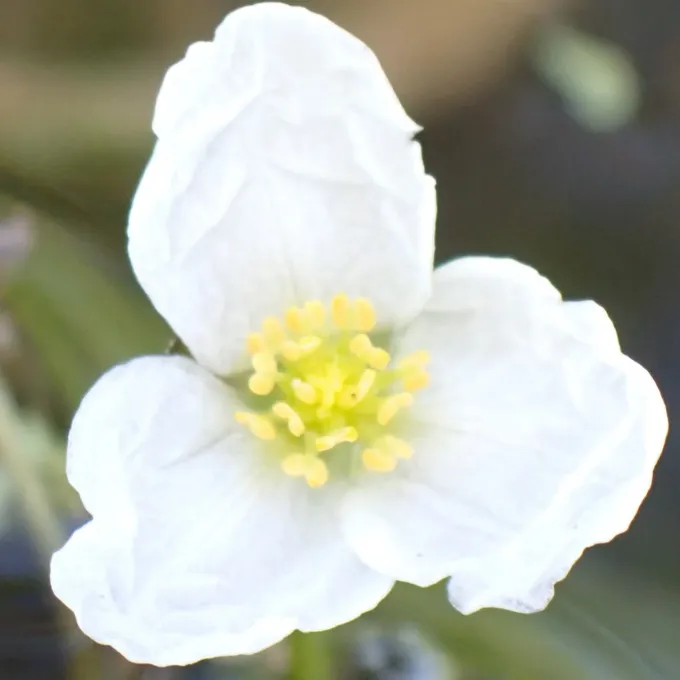
Sagittaria kurziana, commonly known as Kurz's arrowhead, is a perennial aquatic plant belonging to the Alismataceae family. It is a specialized hydrophyte, perfectly adapted to a life submerged in moving freshwater habitats.
The native range of this species is primarily centered in the spring-fed systems of Florida, USA. The plant thrives in crystal-clear, oxygen-rich waters, anchored firmly in sandy or silty substrates at the bottom of springs and streams.
Botanically, the plant features elongated, strap-like leaves that form dense submerged rosettes. It possesses a robust root system, which is essential for maintaining its position against the steady current of its natural habitat.
Cultivation requires stable water temperatures, typically between 18 and 26 degrees Celsius. High water clarity is paramount, as the plant depends on sufficient light penetration to support efficient photosynthesis for its submerged foliage.
Agrotechnical management involves maintaining clean water conditions and providing a nutrient-rich substrate. The plant responds well to root-zone fertilizers, which stimulate vigorous vegetative reproduction via underground runners known as stolons.
Yield
The primary agricultural and horticultural use of Sagittaria kurziana is within the aquascaping and aquarium industry. It is highly valued for its ability to create lush, grass-like underwater meadows, adding significant aesthetic appeal to aquariums.
In ecological settings, the plant acts as a vital habitat for small fish and aquatic invertebrates. Its dense growth provides shelter and promotes biodiversity within the aquatic ecosystem by offering protection for juvenile organisms.
Productivity is measured by the propagation rate of new rosettes. Under optimal conditions in controlled aquaculture systems, the plant demonstrates a high capacity for multiplication, allowing for rapid expansion of the planted area.
Beyond aesthetics, Sagittaria kurziana is recognized for its potential in phytoremediation. It is effective at absorbing excessive nutrients from the water column, which helps to prevent the overgrowth of nuisance algae in aquatic systems.
Optimal yields depend on precise water chemistry management, including controlled CO2 injection and appropriate lighting intensity. Maintaining a healthy balance in these parameters ensures vigorous growth and maintains the structural integrity of the plant clusters.
Main diseases and pests
The main threat to Sagittaria kurziana cultivation is the intrusion of invasive algae. Filamentous algae, in particular, can shade the leaves, significantly reducing the plant's ability to photosynthesize and leading to overall decline.
Certain species of snails can act as pests in closed-system environments. When their natural food sources are limited, they may consume the tender leaves of the arrowhead, causing aesthetic damage and weakening the individual plants.
Root rot is a common pathological issue often caused by anaerobic conditions in the substrate. If the soil becomes overly compacted or stagnant, hydrogen sulfide can build up, leading to the decay of the plant's root system.
Fungal infections can manifest as yellowing or necrotic patches on the leaves. Preventive measures include regular inspection of new plant material and ensuring proper water circulation to discourage the buildup of pathogens on the leaf surface.
Environmental stress, such as abrupt temperature fluctuations or prolonged inadequate lighting, makes the plants susceptible to disease. Keeping the environment stable is the best defense against secondary infections and ensures the long-term health of the crop.