
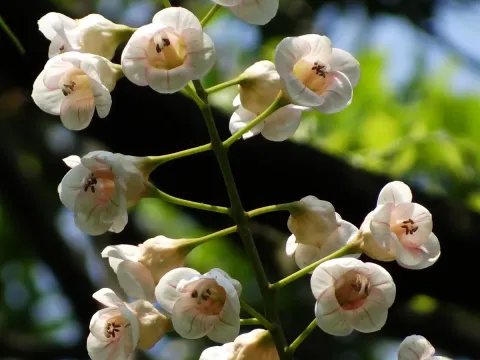
Bretschneidera
Bretschneidera
Propagation of Bretschneidera in nursery conditions is primarily achieved through seeds. The seeds possess a resilient coat, necessitating stratification to break dormancy and ensure uniform germination rates across the batch.
What the section contains

Bretschneidera
Sowing should take place in a well-draining, nutrient-rich potting medium. Maintaining consistent temperatures between 20 and 22 degrees Celsius, along with controlled humidity levels, is crucial for the successful emergence of seedlings.
The optimal time for sowing is early spring after the risk of frost has passed. Seedlings are delicate during the initial growth stages and require protection from intense direct sunlight to prevent leaf scorch and desiccation.
Transplanting to a permanent location is recommended only after the saplings have developed a sufficiently robust root system, typically in their second or third year. Using container-grown stock helps minimize root disturbance.
Given the conservation status of the species, cultivation efforts are largely directed toward reforestation projects and ex-situ conservation in botanical institutions rather than commercial production.
Bretschneidera sinensis is native to the subtropical forests of China and surrounding regions. It thrives in climates characterized by high annual rainfall and moderate temperatures throughout the growing season.
The species requires fertile, slightly acidic to neutral soils with excellent permeability. The presence of organic matter, mimicking a forest floor environment, is highly beneficial for sustained growth and nutrient uptake.
The tree prefers dappled light conditions or partial shade. In its natural habitat, it occupies a middle position in the canopy, and excessive exposure to direct solar radiation can inhibit its physiological performance.
Cultural practices involve maintaining adequate moisture levels throughout the year. While the tree appreciates humidity, it is sensitive to waterlogged soils, which can lead to rapid decline of the root system.
Wind protection is essential, as the branches of younger trees can be brittle. Strategic placement in landscape design or forest plots should account for prevailing winds to ensure structural integrity as the tree matures.
Habitat loss and fragmentation remain the most significant threats to wild populations of Bretschneidera. Because of its narrow ecological niche, the species is highly susceptible to human-driven environmental changes.
Fungal pathogens represent a primary concern in cultivation, particularly when air circulation is poor or humidity levels are mismanaged. Symptoms often include necrotic lesions on leaves and shoot dieback.
Insect pests such as leaf-chewing larvae can cause localized damage to the foliage during the peak growing months. Integrated pest management strategies are advised to keep populations of these pests under control.
Root rots are frequently associated with suboptimal drainage or excessive irrigation. Preventing these conditions through soil amendment and proper watering schedules is the best defense against root-level pathogens.
Ongoing monitoring is essential to ensure that any sign of disease is addressed immediately. Given its rarity, biosecurity measures in botanical gardens and nurseries are strictly enforced to preserve the genetic health of the species.