
Akania
Akania
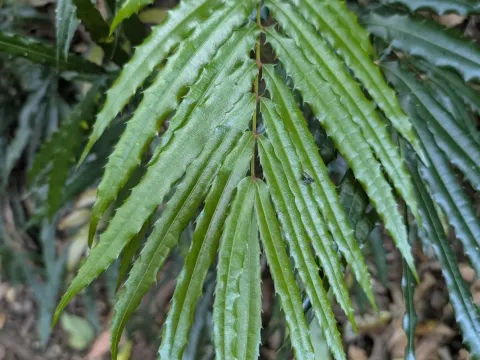
Akania (Akania bidwillii), known as turnipwood, is the sole member of the Akaniaceae family. This evergreen tree is native to the subtropical rainforests of eastern Australia and is noted for its distinctive pinnate foliage.
What the section contains

Akania
The cultivation of Akania requires specific environmental conditions. It thrives in shaded positions, mimicking the light conditions of the rainforest floor. In open areas, the plant requires protection from harsh, direct sunlight to prevent foliage damage.
Optimal growth is achieved in climates with high humidity and consistent temperatures. The plant is not frost-tolerant and requires shelter if grown in temperate zones. It is highly susceptible to moisture stress during prolonged dry spells.
Soil requirements include a rich, well-draining medium that is slightly acidic. Akania prefers a high level of organic matter, and the root system must be protected from compaction to ensure proper oxygen exchange and nutrient uptake.
The plant has limited commercial use, being primarily valued for botanical research and ornamental purposes in specialized garden collections. Its historical name, turnipwood, derives from the distinct scent of its freshly cut timber.
The most common threats to Akania include root rot diseases caused by waterlogged soil conditions. In greenhouse or nursery settings, the plant may be vulnerable to infestations of scale insects and mealybugs, which require diligent pest management.