
Alcalthaea suffrutescens
Alcalthaea suffrutescens
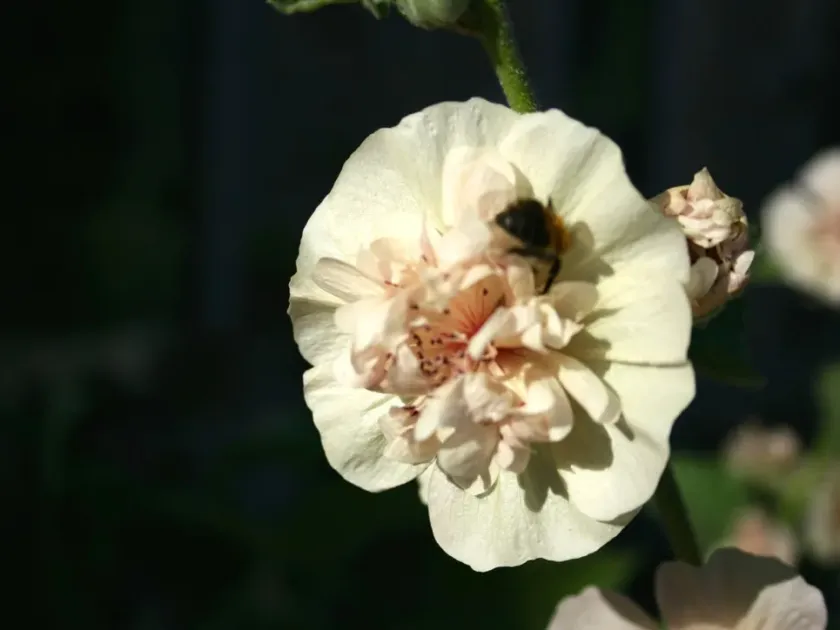
Description
Sowing dates
Alcalthaea suffrutescens is a perennial herbaceous plant belonging to the Malvaceae family. This hybrid species, resulting from the crossbreeding of Althaea and Alcea, displays unique botanical traits and is highly regarded for its potential in pharmaceutical and ornamental horticulture.
The sowing process is typically carried out in late autumn or early spring. If seeds are sown in spring, a cold stratification period is highly recommended to break dormancy and ensure uniform germination rates across the plantation.
Seeds should be planted at a shallow depth of approximately 1.5 to 2 centimeters. Maintaining consistent soil moisture during the first few weeks after sowing is crucial, as the seeds are sensitive to dehydration during the initial germination phase.
Once the seedlings develop two or three true leaves, thinning is necessary to provide adequate space for each plant to establish its robust root system. Spacing of 40 to 50 centimeters is ideal to prevent inter-plant competition and promote vigorous vegetative growth.
Transplanting requires extreme caution due to the sensitive central taproot. Using biodegradable starter pots is often the most efficient method to transition the plants from a nursery setting to the field without damaging the root system.
Growing requirements
This crop thrives in sunny, well-lit environments, which are essential for stimulating flower production and overall plant health. Exposure to full sun throughout the day ensures strong stem development and improves the plant's resistance to environmental stress.
Alcalthaea suffrutescens prefers well-drained, light-textured soils. It is particularly vulnerable to waterlogging, so site selection should prioritize elevated areas or slopes to ensure efficient water runoff during periods of heavy rainfall.
The plant demonstrates impressive cold hardiness and is adaptable to various climatic conditions. It is relatively drought-tolerant once established, making it a sustainable choice for cultivation in regions prone to irregular water availability.
Neutral or slightly alkaline soils are optimal for nutrient uptake. If the soil pH is too acidic, liming is recommended to improve the availability of essential minerals, which directly influences the growth and phytochemical concentration of the plant.
Balanced fertilization during the active growing season, particularly with potassium and phosphorus, supports the development of structural integrity. Avoiding excessive nitrogen application prevents overly succulent growth, which can make the plant susceptible to lodging.
Yield
The economic value of Alcalthaea suffrutescens is primarily derived from its mucilaginous compounds and active medicinal ingredients. Maximum yields are typically achieved from the third year of cultivation when the plants reach maturity and full development.
A well-managed plantation can produce between 15 and 25 centners of dry raw material per hectare. Efficiency in harvesting and processing is key to maximizing the commercial return from this long-term perennial crop.
Regular maintenance, including weeding and soil aeration, is vital for high-quality production. Proper crop management practices minimize stress on the plants, allowing them to channel more energy into the production of valuable biomass and root extracts.
Harvesting is labor-intensive but rewarding, especially when using mechanized cutting tools designed for herbal crops. Proper timing ensures that the concentration of secondary metabolites remains at its peak, meeting the specific requirements of the pharmacological industry.
As a long-lived perennial, this crop offers cost-saving advantages over annual alternatives. By minimizing the need for frequent replanting, farmers can reduce annual overheads while maintaining a consistent and reliable source of high-quality plant-based materials.
Main diseases and pests
Fungal diseases like rust and powdery mildew represent the primary threats to the health of Alcalthaea suffrutescens. These conditions often develop rapidly in humid environments, necessitating proactive fungicidal treatments and good ventilation.
Pests such as aphids and spider mites can cause significant damage to the leaves and stem tissues. Integrated pest management (IPM) strategies, including biological controls, are highly effective in managing these populations while maintaining the integrity of the harvest.
Root rot is a major risk associated with poor soil drainage and excessive irrigation. Ensuring adequate spacing between plants and maintaining soil structure are critical preventive measures to protect the root health of the crop.
Weed competition is particularly challenging during the first year of growth. Using organic mulch or mechanical hoeing helps suppress weed development, allowing the young plants to establish themselves without having to compete for resources.
Winter damage, often caused by freezing and thawing cycles or rodent activity near the root neck, should be monitored. Clearing debris from the field in late autumn helps reduce the likelihood of attracting pests and pathogens during the dormant season.
Harvesting
The harvest of aerial parts is performed during the peak flowering stage. Stems are cut at 10-15 centimeters above the ground, allowing the plant to regenerate quickly and produce secondary growth for a potential second cut or sustainable future development.
Proper drying is essential for preserving the plant's active components. Drying should occur in a well-ventilated, shaded area or specialized facility at temperatures not exceeding 45 degrees Celsius to prevent chemical degradation of sensitive compounds.
Root harvesting takes place in late autumn after the plant has entered dormancy. The roots are carefully dug up, cleaned of soil, and washed thoroughly before being chopped into smaller pieces to facilitate efficient drying.
The drying process for roots must be carefully monitored to prevent mold growth. High-quality root material should be dry, slightly sweet, and aromatic, which serves as a visual and sensory indicator of successful post-harvest processing.
Storage of the finished product requires a cool, dry, and dark environment to maintain its shelf life for up to three years. Using moisture-resistant packaging ensures that the material remains free from environmental contaminants until it reaches the final processor.