
Alchemilla crinita
Alchemilla crinita
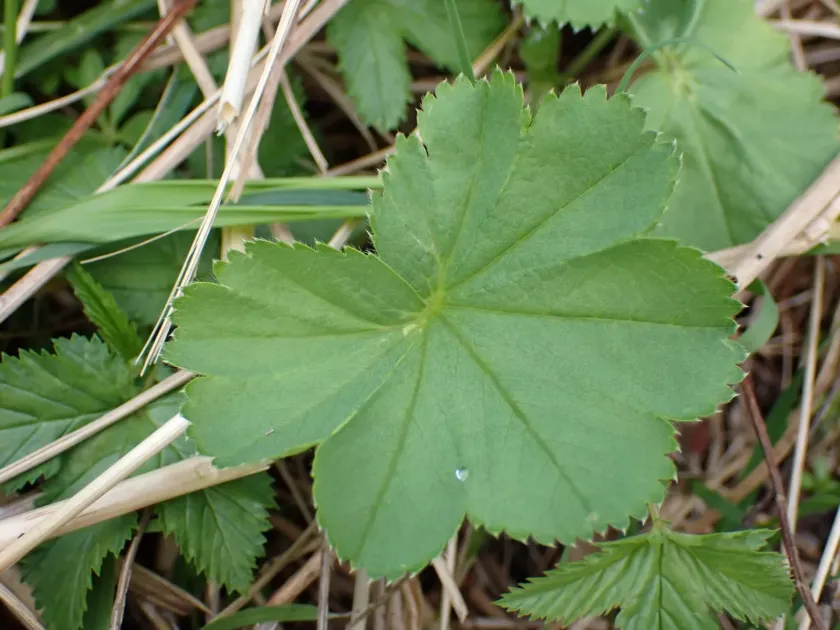
Description
Growing requirements
Alchemilla crinita, commonly known as a type of lady's mantle, is a perennial herb belonging to the Rosaceae family. Native to European mountainous regions, this species is well-adapted to cooler climates and high-altitude habitats where it thrives in moist, well-draining conditions.
The plant requires soils rich in organic matter and nutrients to reach its full development potential. Ideally, the soil pH should be slightly acidic to neutral, with a structure that prevents waterlogging, which the roots of this species generally find unfavorable.
Climatically, Alchemilla crinita prefers temperate zones with moderate humidity levels. While it shows good shade tolerance, light exposure is crucial for photosynthesis and the accumulation of secondary metabolites, which are essential for its medicinal efficacy.
Good agricultural practices involve regular weeding and cultivation between rows to maintain soil aeration. Incorporating organic mulch during the spring season helps to retain soil moisture while simultaneously providing slow-release nutrients to the developing leaf rosette.
The plant is valued for its pharmacological properties, particularly in treating inflammatory conditions and digestive disorders. It contains a complex profile of tannins and phenolic compounds, making it a sought-after crop in the herbal medicine and natural skincare industries.
Main diseases and pests
The most common disease affecting Alchemilla crinita is powdery mildew, which often manifests during periods of high humidity and poor air circulation. This fungal infection can quickly cover the leaves with white spots, reducing the quality of the harvested material.
Leaf spot diseases, caused by various fungal pathogens, may also occur in dense plantations. To mitigate these risks, it is essential to ensure adequate spacing between plants, allowing for better airflow and reducing the moisture trapped around the foliage.
Pests such as aphids and leaf-eating beetles can cause significant damage to the young, tender leaves in the early stages of growth. Monitoring programs and the use of targeted biological controls are recommended to prevent population outbreaks without harming beneficial insects.
Root-knot nematodes can pose a significant challenge if the plant is grown continuously on the same plot for several years. Implementing strict crop rotation schedules is the best defense against soil-borne pests and long-term soil depletion.
A proactive approach to integrated pest management (IPM) is essential for sustainable production. Utilizing biological pesticides and maintaining high crop vigor are key components to keeping the plantation healthy and productive over several years of harvest.
Harvesting
The harvest of Alchemilla crinita is traditionally scheduled during the peak flowering stage. This timing is critical because the chemical concentration of active compounds is at its maximum, ensuring the highest grade of quality for medical applications.
Harvesters should use sharp tools to cut the foliage approximately 5 centimeters above the crown. This surgical precision ensures that the plant can successfully regenerate throughout the rest of the growing season and in the subsequent years.
Immediate post-harvest processing is vital to maintain the integrity of the plant material. The fresh biomass must be transported quickly to drying facilities to prevent heat buildup and the loss of volatile essential oils, which are highly sensitive to temperature.
Drying is performed in climate-controlled units at temperatures that do not exceed 45 degrees Celsius. Continuous airflow is used to remove residual moisture, ensuring that the final dried product retains its color, scent, and biological activity.
Final storage involves packaging the dried, processed material in light-proof and moisture-proof containers. This ensures the stability of the active components for storage periods of up to two years, maintaining high standards for the global herbal supply chain.