
Bretschneidera sinensis
Bretschneidera sinensis
Description
Growing requirements
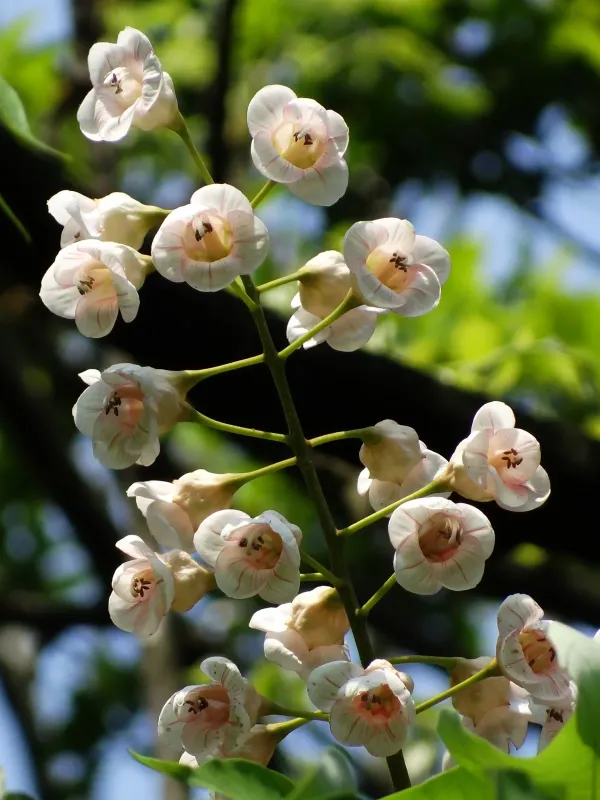
Bretschneidera sinensis, commonly known as the Bretschneidera tree, is the sole species within the Bretschneideraceae family. It is a deciduous, medium-to-large tree characterized by its pinnate leaves and striking, orchid-like flowers that bloom in large racemes.
Native to the subtropical regions of southern and southwestern China, as well as parts of northern Thailand and Vietnam, it typically grows in evergreen and broad-leaved forest ecosystems. Its natural distribution is largely concentrated in mountainous areas with humid climates.
The tree requires deep, fertile, and well-drained loamy soils to thrive. It performs best in slightly acidic to neutral soil conditions. Proper soil aeration is crucial to prevent root rot, which is a common issue for this species when grown in heavy or waterlogged substrates.
Regarding climate, the plant demands consistent humidity and moderate temperatures throughout the growing season. It is not frost-hardy and requires protection from extreme cold. Shaded or semi-shaded exposure is preferred for young specimens to simulate the understory environment.
The species is primarily utilized for botanical research and conservation purposes. It is legally protected in several countries due to its rarity. In horticulture, it is highly sought after as an ornamental specimen for conservatory settings or mild-climate parks where its unique structure can be displayed.
Main diseases and pests
The primary threat to Bretschneidera sinensis is habitat loss due to deforestation and land conversion. Small, fragmented populations are highly vulnerable to ecological changes and lack the genetic diversity needed to adapt to shifting climate patterns.
Diseases affecting the species include soil-borne fungal pathogens such as Phytophthora, which can cause root decay. Foliar infections, favored by high humidity and poor air circulation, may also occur if the trees are planted too densely in confined spaces.
Insects, particularly defoliating larvae, can cause significant stress to individual trees during the summer months. Monitoring the leaf canopy for early signs of herbivory is essential for maintaining the health of cultivated specimens.
Management strategies focus on site selection and soil improvement. Ensuring proper drainage and avoiding soil compaction are the most effective preventive measures against root issues. If infestations occur, integrated pest management practices are recommended.
Ex-situ conservation, such as growing trees in botanical gardens and seed banks, is critical to the survival of the species. Proper handling of seedlings and maintaining appropriate environmental buffers are necessary to ensure the long-term viability of cultivated plants.